You Won’t Believe These Secret Eats in Busan—A Local’s Best-Kept Food Secrets
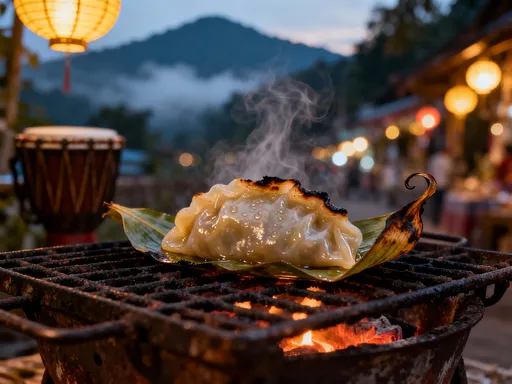
Busan isn’t just about beaches and temples—its food scene is a whole other adventure. I wandered alleyways, followed steam rising from street carts, and stumbled upon flavors I never expected. From sizzling grilled mackerel to spicy jjigae simmered in rusty old pots, this city feeds your soul. These aren’t tourist traps—they’re where locals queue daily. If you're craving *real* Busan, you gotta taste what’s hiding off the map.
The Soul of Busan Lives in Its Street Food Alleys
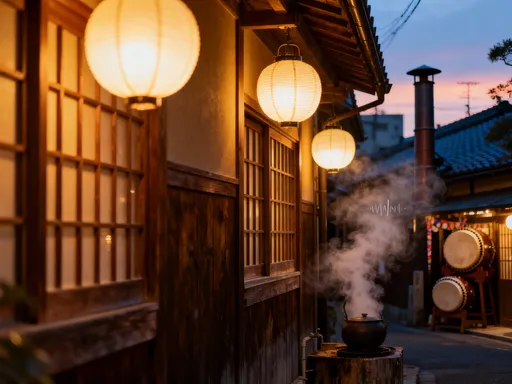
Wandering through Busan’s narrow food alleys is like stepping into a living kitchen—one that never sleeps and always has a seat for you. In districts like Jagalchi and Gukje Market, the air hums with sizzle and chatter, a symphony of iron griddles meeting marinated meat, of octopus being chopped on wooden boards with rhythmic precision. These alleys aren’t curated for cameras; they’re built for appetite. The walls are weathered, the tables are small, and the napkins are thin, but the energy is electric. Here, food isn’t just sustenance—it’s community, identity, and heritage served on disposable plates.
What makes these informal spaces so special is their authenticity. Unlike the polished chain restaurants that dot major tourist zones, the street food stalls in Busan’s historic markets operate on instinct and tradition. Many vendors have worked the same spot for decades, passing down recipes along with the tongs and ladles. You’ll find grandmothers frying pancakes with hands that have shaped thousands of golden discs, or uncles who’ve grilled squid over charcoal for over 30 years. There’s no branding, no marketing—just the steady rhythm of people cooking what they love, for people who appreciate it.
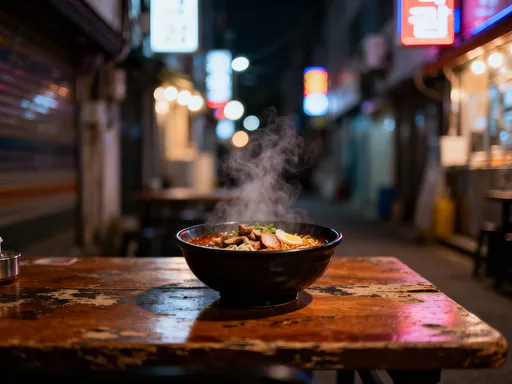
The atmosphere is immersive. Neon signs flicker above, casting a warm glow on bottles of red pepper paste and jars of fermented shrimp. The scent of gochujang and sesame oil weaves through the humid coastal air, mingling with the briny tang of the nearby sea. Shoppers balance baskets of vegetables while office workers in crisp shirts squeeze in for a quick bite after work. This is where Busan’s working-class roots shine—where hard labor meets hearty food, where the day’s end is marked not by clocks but by the smell of dinner on the grill.
Street food in Busan also reflects the city’s resilience. After the Korean War, markets like Gukje emerged from the rubble as centers of survival and trade. Today, they remain symbols of perseverance, where every dish carries a quiet story of rebuilding and renewal. To eat here is not just to taste food—it’s to participate in a culture that values simplicity, generosity, and connection. For travelers seeking depth, these alleys offer a doorway into the city’s soul, one bite at a time.
Jagalchi Market: Where Seafood Rules the Day
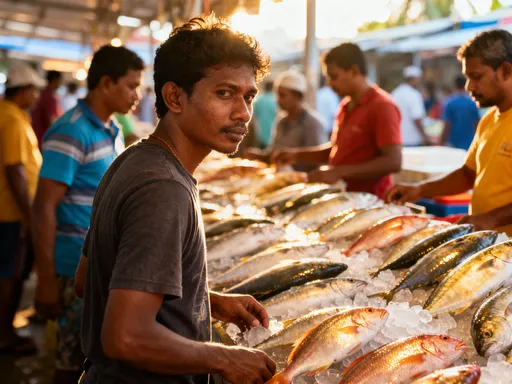
If Busan has a culinary heartbeat, it beats loudest at Jagalchi Market, Korea’s largest seafood marketplace and a temple of the ocean’s bounty. Spanning multiple floors and endless corridors, this vibrant hub pulses with life from dawn until late evening. Tanks bubble with live octopus, swimming crabs, and flounder that flick their tails against glass walls. The air is thick with salt and seaweed, and the sound of haggling, chopping, and laughter echoes through the narrow aisles. This is not a place for the faint of heart—it’s raw, real, and utterly unforgettable.
One of the most thrilling experiences here is selecting your own seafood and having it prepared on the spot. Imagine pointing to a lively octopus thrashing in a tank, watching it hauled out and cleaned within minutes, then served raw, sliced thin and still curling on the plate. Or choosing a plump sea squirt, a local delicacy known for its briny pop of flavor, and seeing it chopped and dressed with chili paste right before your eyes. Upstairs, small restaurants specialize in haemul pajeon (seafood pancakes) and spicy jjigae stews, all made with the day’s freshest catch.
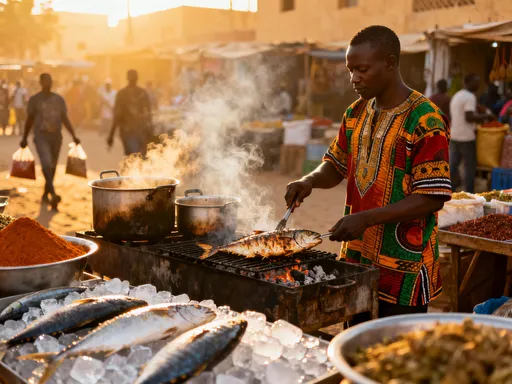
What sets Jagalchi apart is its connection to the fishing industry. Every morning, boats unload their haul directly into the market, ensuring unparalleled freshness. Vendors often know the names of the fishermen who brought in the catch, and many proudly display signs indicating the origin of their seafood—whether from nearby Geoje Island or the colder waters off Ulsan. This traceability isn’t just marketing; it’s a point of pride. You can see it in the care with which they handle each fish, in the way they wrap mackerel in paper like precious gifts.
Sustainability, though not always labeled as such, is woven into daily practice. Many vendors avoid overpriced or endangered species, focusing instead on seasonal availability and local abundance. You won’t find shark fin or bluefin tuna here—what you will find is squid in summer, yellow croaker in spring, and mussels during the cooler months. This respect for natural cycles ensures that the market remains not only a food destination but a model of responsible coastal commerce.
Hidden Busan-Style Restaurants Only Locals Know
Beyond the postcard sights and bustling markets lie the true gems of Busan’s food culture—family-run eateries tucked into quiet residential neighborhoods like Beomil, Yeonsan, and Dongnae. These are not places you’ll find on a hop-on-hop-off tour. They don’t have English menus or Instagrammable interiors. But they do have something far more valuable: generations of culinary wisdom, served in chipped bowls with a side of genuine warmth.
One such spot, a no-frills diner in Beomil, has been serving milmyeon for over 40 years. The dish—cold wheat noodles in a tangy, icy broth—is a regional specialty born from North Korean refugees who settled in Busan after the war. At this humble shop, the owner, a silver-haired woman in an apron, stirs the broth herself, adding a splash of vinegar and a spoon of mustard sauce just before serving. The noodles are chewy, the broth refreshing, and the experience deeply personal. She remembers regulars by name, asks after their families, and insists you try the house-made kimchi.
Another hidden favorite in Dongnae specializes in dwaeji gukbap, a comforting pork soup that locals swear by for breakfast, lunch, or recovery after a long night. The broth simmers for over 12 hours, extracting every ounce of richness from pork bones, while tender slices of meat rest on top like edible gold. The side dishes—fermented radish, spicy cabbage, raw garlic cloves—are replenished freely, and the tables are often shared, fostering quick friendships among strangers.
Finding these places requires a bit of local savvy. The best method? Ask. A shopkeeper at a convenience store, a taxi driver, or even a delivery rider on a scooter might point you toward a hole-in-the-wall worth the detour. Some locals use Korean food apps like Baedal Minjok or Mangoplate, filtering for high ratings and long-standing operation. Others follow the crowds—if there’s a line of elderly men in wool caps outside a plain door, it’s probably worth joining.
These restaurants thrive not on visibility but on loyalty. They don’t need flashy signs or social media campaigns. Their reputation is built on consistency, humility, and the quiet excellence of a well-made meal. For travelers willing to stray from the beaten path, these kitchens offer a rare glimpse into the everyday beauty of Korean home-style cooking—where food is not a performance, but a promise.
Dwaeji Gukbap: More Than a Meal—It’s a Ritual
In Busan, dwaeji gukbap is more than a dish—it’s a daily ritual, a cultural touchstone, and for many, a lifeline. Literally translating to “pork soup with rice,” this humble meal emerged in the post-war era when resources were scarce and nourishment was paramount. Pork, once a luxury, became a symbol of resilience, and the broth—a clear, deeply savory liquid—was a way to stretch every bit of flavor. Today, it remains a cornerstone of Busan’s food identity, served in over 300 dedicated restaurants across the city.
The preparation is deceptively simple but deeply precise. The broth simmers overnight, often in massive pots fueled by wood or gas flames that flicker through the night. Pork bones, shoulder, and trotters are boiled until the collagen melts into the liquid, creating a rich, silky texture. The meat is cooked separately to preserve tenderness, then sliced thin and added to the bowl just before serving. A scoop of warm rice goes in first, followed by the steaming broth and meat. Diners customize their bowl with raw garlic, green onions, red pepper flakes, and kimchi—each addition altering the flavor in subtle, personal ways.
What makes Busan’s version unique is its balance. Unlike the heavier, more gelatinous versions found elsewhere, Busan’s broth is clean and light, emphasizing clarity over thickness. The pork is never greasy, and the rice absorbs just enough liquid to become soft without turning mushy. This refinement comes from decades of tweaking—chefs adjusting fire levels, simmer times, and ingredient ratios to achieve perfection.
The experience is communal. Tables are often shared, and silence is rare. You’ll hear the clink of spoons, the slurp of broth, and the occasional laugh between bites. Some restaurants even offer a “gukbap set” with extra sides and a small dish of raw egg yolk to swirl into the soup for extra richness. It’s common to see elderly men enjoying a bowl with a small glass of soju, or mothers bringing children for a nourishing midday meal.
For many locals, this dish is tied to memory. It’s what they ate after school, what their parents served during tough times, what they return to for comfort. To eat dwaeji gukbap in Busan is to participate in a living tradition—one that honors the past while feeding the present.
Late-Night Bites and Market Culture After Dark
As the sun sets over Haeundae and the office lights dim in Seomyeon, Busan undergoes a delicious transformation. The city’s food culture doesn’t wind down—it revs up. Night markets and alleyway stalls come alive with neon signs, sizzling grills, and the laughter of workers unwinding after long days. This is when Busan reveals another layer of its culinary soul: the world of late-night eats, where flavor meets fellowship under the glow of street lamps.
BIFF Square, named after the Busan International Film Festival, becomes a food lover’s paradise after 7 p.m. Rows of stalls serve up tteokbokki—spicy rice cakes bathed in gochujang sauce—so hot they make your eyes water but so addictive you can’t stop. Skewers of grilled squid, marinated in soy and sugar, char at the edges and drip with umami. Hotteok, sweet filled pancakes, are pressed on griddles until golden, then drizzled with honey and crushed peanuts. The air is thick with smoke and sugar, and the lines move slowly, not because of inefficiency, but because people linger, chatting, sharing, savoring.
Seomyeon’s narrow alleys offer a different vibe—more urban, more energetic. Young professionals in blazers crowd around standing tables, holding paper cups of soju and plates of twigim (fried seafood and vegetables). Some stalls specialize in gyeran-ppang, egg bread baked in iron molds, its fluffy top cracked open to reveal a molten yolk. Others offer sundae, Korean blood sausage, served with a side of perilla leaves and salt for wrapping. It’s messy, casual, and utterly satisfying—a culinary rebellion against the formality of the workday.
These night markets are more than places to eat—they’re social hubs. They reflect Busan’s coastal work ethic, where long hours are balanced with moments of indulgence. A bowl of spicy jjolmyeon (spicy cold noodles) at midnight isn’t just a meal; it’s a release, a celebration, a way to reset. For visitors, joining this rhythm offers a deeper understanding of local life—where food isn’t confined to mealtimes, but woven into the fabric of daily existence.
From Coast to Table: How Geography Shapes Flavor
Busan’s cuisine cannot be separated from its geography. Nestled between the sea and low mountains, surrounded by warm currents and seasonal winds, the city’s food is a direct expression of its environment. The ocean provides abundance, the climate demands boldness, and the land offers preservation—three forces that shape every dish, from the simplest side to the most elaborate stew.
Seafood dominates, and for good reason. With over 250 miles of coastline and access to some of Korea’s richest fishing grounds, Busan consumes seafood at a rate far above the national average. Studies suggest that coastal residents here eat nearly twice as much fish per capita annually compared to inland populations. Sardines, mackerel, squid, and pollock are staples, often eaten fresh, grilled, or fermented. In coastal villages like Gijang, families still dry fish on racks under the sun, a practice that dates back centuries.
The humid summers call for strong flavors. Spicy, fermented, and pungent ingredients aren’t just preferences—they’re functional. Gochujang and kimchi stimulate the appetite in hot weather, while fermented soybean paste (doenjang) adds depth without heaviness. These elements are not afterthoughts; they are foundational. A simple bowl of kongnamul guk (bean sprout soup) gains its character from a spoon of aged doenjang, while a plate of raw fish is elevated by a fiery chogochujang dipping sauce.
Preservation techniques also play a crucial role. Before refrigeration, Busan’s families relied on salting, fermenting, and drying to store food through lean months. Salted pollock, made in mountainous outskirts where wind aids drying, is a winter favorite, often stewed with radish and tofu. Kimchi, stored in onggi jars buried in backyards, evolves over months, developing complex sourness that enhances soups and pancakes.
Seasonality is another key factor. Fishermen follow the tides and temperatures, bringing in different species throughout the year. Spring means skate and croaker, summer brings squid and sea cucumber, autumn ushers in king crab, and winter offers oysters and conch. Menus in local restaurants shift accordingly, ensuring that what’s on the table is not only fresh but in harmony with nature’s rhythm. This deep connection between land, sea, and plate is what makes Busan’s food not just delicious, but meaningful.
Navigating Busan’s Food Scene: Practical Tips for Travelers
Exploring Busan’s food culture is a joy, but a few practical tips can make the experience smoother and more rewarding. First, timing matters. Markets like Jagalchi are best visited in the morning, when the seafood is freshest and the crowds are thinner. By midday, the pace quickens, and some vendors begin to close. For night markets like BIFF Square, aim for 7 to 10 p.m., when the energy peaks and the grills are firing on all cylinders.
Language can be a barrier, but it doesn’t have to be a roadblock. Many food stalls have picture menus or plastic food displays in the window. Translation apps like Papago work well for Korean-to-English and can help you decode dish names or ask about ingredients. Don’t hesitate to point, smile, and say “this one, please”—most vendors are patient and happy to help.
Etiquette is simple but important. In busy restaurants, sharing a table is common and expected. It’s polite to nod or say “jeolmal” (excuse me) when squeezing in. After eating, it’s customary to return your tray and dishes to a designated cart or counter—this is standard in self-service spots. Tipping is not expected and can even be refused, as service is considered part of the experience, not an extra charge.
To avoid overpaying, stick to places with local crowds. If a stall has long lines of elderly Koreans, you’re likely in the right spot. Tourist-facing vendors near major attractions may charge more, so consider walking a few blocks away for better value. Also, don’t be afraid to try unfamiliar ingredients—many locals appreciate when visitors show curiosity and respect.
Finally, pair your food adventures with nearby sights. After Jagalchi Market, take a peaceful walk along the Nurimaru APEC House boardwalk, where the sea breeze clears your palate. From Gukje Market, it’s a short stroll to the historic Yongdusan Park and Busan Tower. In Dongnae, soak in the thermal baths after a bowl of dwaeji gukbap for the ultimate comfort combo. These pairings turn meals into full experiences, blending flavor with culture, history, and relaxation.
Conclusion
Busan’s true flavor isn’t found in guidebooks—it’s whispered in alleyways, served on chipped plates, and shared with a smile from a grandma behind the counter. Each bite tells a story of resilience, tradition, and the sea. To eat here is to understand the city’s heart. So go beyond the brochures. Follow your nose, embrace the unknown, and let Busan feed you like family.