Island Vibes & Local Treasures: My Bridge to Barbados Shopping Soul
Stepping into Bridgetown, Barbados, feels like entering a sunlit rhythm of its own—where the ocean breeze meets vibrant streets alive with culture. More than just a capital, it’s a gateway to authentic Caribbean shopping experiences. From bustling markets to hidden boutiques, I discovered how shopping here isn’t about purchases—it’s about connection, color, and the joy of finding something truly real. This is retail with soul.
The Heartbeat of Bridgetown: Where Culture Meets Commerce
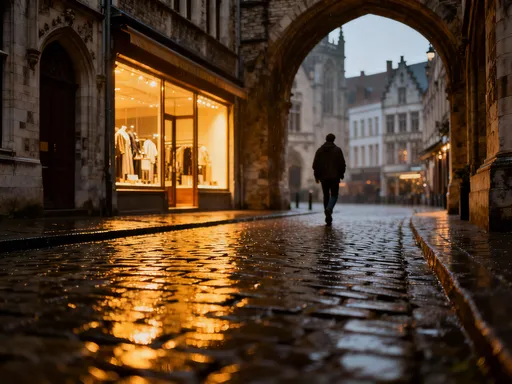
Bridgetown is not merely the political and economic center of Barbados—it is the island’s cultural pulse, where history and daily life intertwine in a rich tapestry of commerce and community. As a designated UNESCO World Heritage site, its colonial-era buildings, cobblestone streets, and Georgian architecture stand as silent witnesses to centuries of trade, migration, and cultural fusion. Yet today, these same streets hum with the energy of modern Bajan life, where commerce is not confined to shopping malls but spills into open-air markets, sidewalk stalls, and family-run shops. The city’s unique shopping identity emerges from this blend of old and new, where every transaction carries a whisper of the past and a nod to the present.
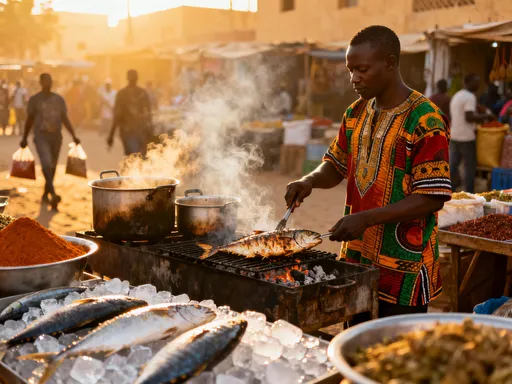
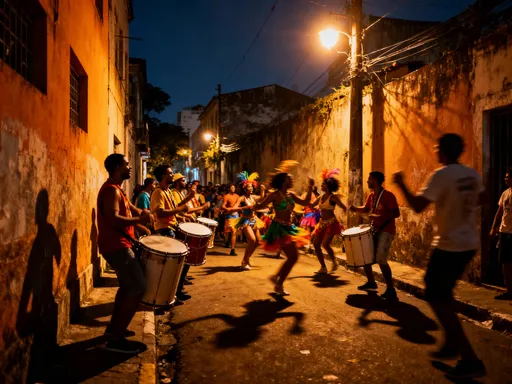
Walking through downtown Bridgetown, the senses are immediately engaged. The air carries the sweet tang of ripe mangoes, the smoky aroma of grilled fish from roadside vendors, and the faint scent of sea salt drifting in from the Careenage. Steelpan music echoes from street corners, played by local musicians whose rhythms sync with the pace of pedestrians weaving through the market lanes. Vendors call out in warm Bajan patois, offering everything from coconut water to hand-carved figurines. These interactions are not just commercial—they are social, personal, and often end in laughter or a shared story. In this way, shopping becomes a form of cultural exchange, a dialogue between visitor and resident.
The city’s shopping culture is deeply rooted in its Creole heritage—a blend of African, British, and Indigenous influences that have shaped everything from language to cuisine to craft. This fusion is visible in the goods on display: batik fabrics with African-inspired patterns, pottery techniques passed down through generations, and jewelry that incorporates both traditional symbolism and modern design. By choosing to shop locally, visitors support artisans and small business owners who are preserving these traditions. Each purchase becomes a small act of cultural preservation, helping to sustain livelihoods and keep heritage alive in an era of globalization.
What sets Bridgetown apart from other Caribbean capitals is its authenticity. Unlike destinations that cater solely to tourists with mass-produced souvenirs, this city offers real, unfiltered experiences. The shopkeepers are not performers in a staged environment—they are real people with real lives, often living above their stores or commuting from nearby villages. They take pride in their work and in sharing their culture. For the mindful traveler, this authenticity transforms shopping from a transaction into a meaningful encounter, one that fosters mutual respect and understanding.
Cheapside Market: The Pulse of Everyday Life
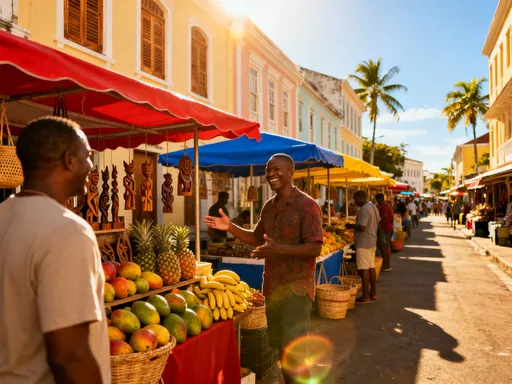
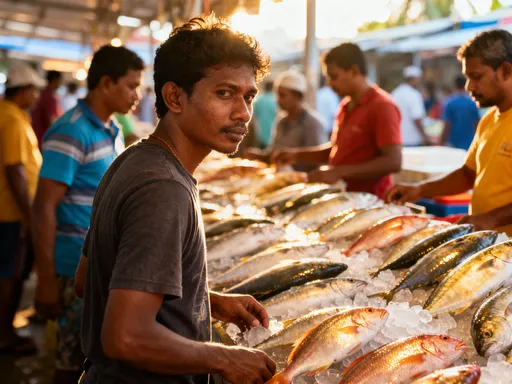
No visit to Bridgetown is complete without a morning spent at Cheapside Market, one of the oldest and most vibrant public markets on the island. Open since the 19th century, Cheapside has long served as the heart of daily commerce for locals, a place where families come to buy fresh produce, spices, and household essentials. Arriving early, around 7:00 a.m., one is greeted by a symphony of activity—vendors unloading crates of vegetables, stacking pyramids of pineapples, and arranging bunches of fragrant thyme and scallions. The market buzzes with energy, a testament to its enduring role in Bajan life.
The produce at Cheapside is as colorful as it is fresh. Rows of callaloo, dasheen, and breadfruit sit beside mounds of golden yams and purple-skinned eddoes. Bright red peppers, green gungo peas, and clusters of green bananas create a visual feast. Local fruits like soursop, sugar apples, and star apples are displayed with pride, many still bearing the marks of the soil from which they were harvested. These are not imported or greenhouse-grown items—they are the fruits of small island farms, often grown using traditional methods passed down through generations. For visitors, the market offers a chance to taste the real flavors of Barbados, to see what Bajans eat every day, and to understand the island’s agricultural roots.
But Cheapside is more than just a food market. It is a social hub, a place where neighbors catch up, where advice is exchanged, and where a simple purchase can turn into a ten-minute conversation. Vendors know their regular customers by name, ask after their families, and recommend the best way to cook a particular vegetable. This personal touch is rare in modern retail, yet it thrives here. Bargaining is part of the rhythm, not in an aggressive way, but as a friendly dance of negotiation that ends in mutual satisfaction. A visitor might start with a request for a discount and end up with a recipe, a joke, and a sample of freshly cut mango.
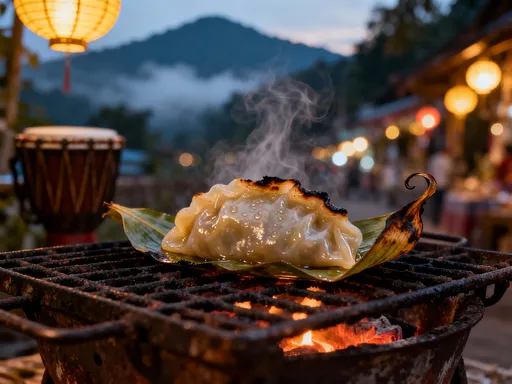
One of the most delightful aspects of Cheapside is the availability of local snacks and prepared foods. Stalls offer warm cou-cou and flying fish, the national dish, served in Styrofoam containers with a side of spicy pepper sauce. Others sell fish cakes, sweet potato pudding, and sugar cakes made with coconut and molasses. These treats are not made for tourists—they are everyday foods, beloved by locals and deeply tied to Bajan identity. Tasting them at the source, surrounded by the sights and sounds of the market, adds layers of meaning to the experience. It is not just about eating; it is about participating in a living culture.
For the mindful traveler, Cheapside offers a rare opportunity to step outside the tourist bubble and engage with the island on a human level. It is unpolished, occasionally chaotic, and always real. There are no entrance fees, no guided tours—just the open invitation to walk, look, listen, and learn. By shopping here, visitors contribute directly to the local economy, supporting small-scale farmers and independent vendors. More than that, they gain a deeper appreciation for the rhythms of Bajan life, where food, family, and community are inseparable.
Broad Street Boutiques: Style with a Caribbean Twist
If Cheapside represents the soul of Bridgetown’s commerce, Broad Street is its stylish face—a lively thoroughfare that blends colonial elegance with contemporary flair. Lined with two- and three-story buildings in pastel hues, many dating back to the 18th and 19th centuries, Broad Street is the commercial spine of the city. Here, the pace slows just enough to allow window shopping, yet the energy remains high, especially on weekends when locals and tourists alike come to browse, socialize, and run errands.
The retail landscape on Broad Street is diverse, offering everything from international brands to locally designed fashion. Anchor stores like Solomon Stores and Fontabelle Supermarket provide everyday essentials, while smaller boutiques showcase island-inspired apparel, jewelry, and accessories. What makes these shops special is their ability to blend global trends with Caribbean aesthetics. Resort wear, for example, is not just about bright colors and floral prints—though those are certainly present—but also about fabrics that breathe in the tropical heat, cuts that allow for movement, and designs that reflect the island’s relaxed yet elegant lifestyle.
Local designers play a significant role in shaping Broad Street’s fashion identity. Some, like those at the Bridgetown Craft Market or independent studios along Roebuck Street, create limited-run collections using hand-dyed fabrics, natural fibers, and traditional techniques. Their work often incorporates motifs from Bajan folklore, nature, or history—seashells, sea turtles, or the colors of the Barbadian flag. These pieces are not mass-produced; they are made with intention and care, often in small workshops or home studios. For visitors, purchasing such an item means owning something unique, a wearable piece of art that tells a story.
What sets Broad Street apart is its dual function as a shopping destination for both residents and visitors. Unlike tourist-only zones where prices are inflated and authenticity is diluted, this street maintains a balance. Locals come here to buy school uniforms, office attire, and gifts, ensuring that the retail offerings remain grounded in real needs. At the same time, the presence of tourists supports businesses that might otherwise struggle in a small economy. This synergy creates a dynamic, inclusive atmosphere where commerce feels natural and community-oriented.
Walking down Broad Street, one notices how shopping is not just a solitary act but a social one. Friends meet for coffee after trying on dresses, families shop together for holiday outfits, and couples browse jewelry stores looking for engagement rings. The street is dotted with small cafes, barbershops, and beauty salons, reinforcing its role as a hub of daily life. Even the architecture contributes to the experience—the high ceilings, wide verandas, and wooden shutters provide shade and ventilation, making shopping comfortable even on the hottest days. In this way, Broad Street is more than a collection of stores; it is a living, breathing part of the city’s fabric.
Craft Markets & Cultural Hubs: Art That Tells a Story
For those seeking deeper cultural connections, Bridgetown’s craft markets and cultural centers offer a window into the island’s artistic soul. The Bridgetown Market Plaza, located near the Careenage, is a prime example—a covered space where artisans gather daily to display their work. Here, one finds more than souvenirs; one finds art with meaning. Pottery, wood carvings, batik textiles, and woven baskets are not just decorative—they are expressions of identity, history, and skill.
Take, for instance, the pottery on display. Many pieces are made using techniques brought to the island by African ancestors, adapted over time to local materials and tastes. The shapes—rounded bowls, tall vases, ceremonial vessels—often echo traditional forms, while the glazes reflect the island’s natural palette: turquoise like the sea, coral pink like a sunset, deep green like the jungle. Each potter has a story. One vendor, a woman named Marlene from St. Lucy, explains that her grandmother taught her to shape clay by hand, and now she teaches her grandchildren. Her work is not just a product—it is a legacy.
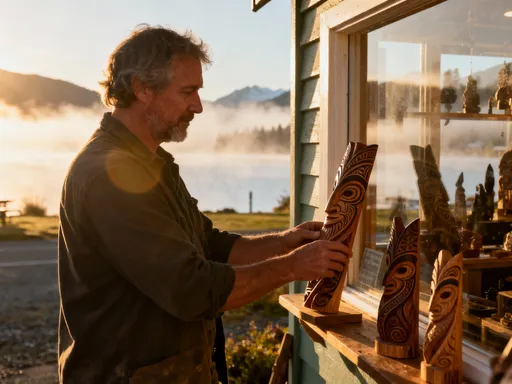
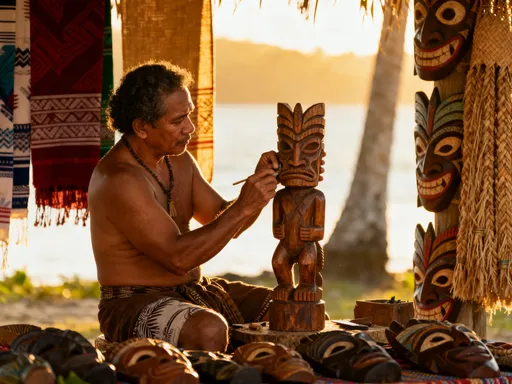
Wood carving is another prominent craft, with artisans transforming mahogany, cedar, and guava wood into intricate sculptures. Common motifs include the flying fish—Barbados’ national symbol—the green monkey, and scenes of village life. Some carvings are spiritual in nature, representing ancestral figures or protective symbols. Others are playful, like hand-carved chess sets or musical instruments. The craftsmanship is meticulous, with each piece sanded and polished to a smooth finish. Buyers are often invited to touch the wood, to feel its weight and grain, creating a tactile connection between artist and customer.
Batik art, a wax-resist dyeing technique with roots in West Africa and Indonesia, has found a home in Barbados through local artists who blend traditional methods with Caribbean themes. Designs often feature tropical flowers, ocean waves, or historical scenes like the Emancipation of slaves. The process is labor-intensive—each piece is hand-drawn, waxed, dyed, and re-dyed multiple times—but the result is a vibrant, one-of-a-kind textile. When visitors purchase a batik wall hanging or dress, they are not just buying fabric—they are supporting a slow, thoughtful art form that resists the fast-fashion model.
These markets are not just retail spaces; they are cultural hubs. On weekends, they often host live music, storytelling sessions, and craft demonstrations. Children learn how to make paper flowers or paint seashells under the guidance of elders. Tourists are welcomed as participants, not just spectators. This inclusive atmosphere reinforces the idea that art is not something locked in a museum—it is alive, evolving, and meant to be shared. By purchasing directly from the artist, visitors ensure that their money goes straight to the creator, empowering individuals and strengthening the local creative economy.
Sunset Mall & Modern Convenience: When You Need It All
While the charm of outdoor markets and historic streets is undeniable, there are times when travelers need the comfort and reliability of a modern shopping environment. For these moments, Sunset Mall offers a welcome contrast. Located just outside the city center, this air-conditioned complex provides a range of services and stores under one roof, making it a practical stop for both residents and visitors. Anchor tenants include major supermarkets, pharmacies, banks, and clothing retailers, offering everything from toiletries to electronics to children’s toys.
The mall serves an important function in daily life, especially for those running errands or preparing for travel. Families shop for groceries, professionals pick up office supplies, and tourists replace forgotten items like sunscreen or swimwear. The presence of international brands like KFC and Pizza Hut adds convenience, though local food options like Decker’s and The Canteen ensure that Bajan flavors are not lost. The mall also hosts community events, from holiday markets to charity drives, reinforcing its role as a civic space.
While Sunset Mall lacks the raw authenticity of Cheapside or the artistic flair of the craft markets, it plays a vital role in the city’s retail ecosystem. It caters to needs that street markets cannot always meet—refrigerated medicines, prescription glasses, or specific baby formula. For long-term visitors or expatriates, it offers a sense of familiarity and ease. At the same time, it includes local brands, such as Bajan chocolate, rum cakes, and handmade soaps, allowing shoppers to support island producers even in a modern setting.
The contrast between Sunset Mall and Bridgetown’s traditional markets is not a competition but a complement. Each serves a different purpose, appealing to different needs and moments in a traveler’s journey. One might begin the day at Cheapside, savoring fresh fruit and handmade crafts, then stop at Sunset Mall in the afternoon to pick up a toothbrush or charge a phone. This balance reflects the reality of modern Caribbean life—where tradition and progress coexist, where people honor their roots while embracing practicality.
Off-the-Beaten-Path Finds: Hidden Gems Beyond the Center
For those willing to venture beyond the well-trodden paths, Barbados offers a treasure trove of hidden shopping experiences. Just a short drive from Bridgetown, small villages and coastal roads reveal roadside stalls, family-run craft shops, and pop-up markets that feel untouched by mass tourism. These spots are not listed in guidebooks, rarely advertised, and often discovered by chance—but they offer some of the most authentic and memorable encounters.
In the parish of St. George, a wooden sign reading “Handmade Baskets” leads down a dirt path to a small workshop where an elderly couple weaves intricate designs from coconut palm fronds. Their baskets, dyed in earthy tones, are used for everything from laundry to gift-giving. The couple speaks little, but their hands move with practiced grace, turning raw material into functional art. A few miles away, in Oistins, a fisherman’s wife sells jars of homemade rum preserves—mango, guava, and tamarind—infused with Barbados rum and spices. These are not commercial products; they are made in small batches, often for family and friends, and sold out of a cooler on the porch.
Another discovery lies in the village of Hackleton’s Cliff, where a young shoemaker crafts bespoke sandals from recycled leather and rubber. Each pair is custom-fitted, designed to last in the island’s rugged terrain. He works under a tarp, using tools passed down from his grandfather, and welcomes visitors with a shy smile. Buying a pair means not only acquiring durable footwear but also supporting a young artisan determined to keep traditional skills alive.
These off-the-beaten-path experiences require a bit more effort—renting a car, asking for directions, traveling during daylight hours—but the rewards are profound. The interactions are more personal, the prices often fairer, and the items more unique. There is no pressure to buy, no scripted performance—just real people doing real work. For the mindful traveler, these moments represent the heart of authentic tourism: connection, respect, and mutual appreciation.
Shopping with Purpose: How to Be a Mindful Visitor
In a small island nation like Barbados, every dollar spent has an impact. When visitors choose to shop locally, they contribute directly to the livelihoods of artisans, farmers, and small business owners. In contrast, purchases made at international chains or duty-free shops often see little of that money remain on the island. Being a mindful shopper means making intentional choices—supporting businesses that are locally owned, recognizing quality craftsmanship, and avoiding mass-produced imports falsely marketed as “handmade” or “local.”
Respectful negotiation is another key aspect of ethical shopping. While bargaining is common in markets, it should never feel exploitative. A fair price respects the time, skill, and materials that went into a product. Asking questions—“How long did this take to make?” “Where did you get the fabric?”—shows genuine interest and often leads to better understanding. Many vendors appreciate the conversation as much as the sale.
Recognizing authenticity matters too. Real handmade items often have slight imperfections—uneven stitching, natural color variations, or hand-carved asymmetry. These are not flaws; they are signs of human touch. Mass-produced souvenirs, on the other hand, are uniform and lifeless. By learning to see the difference, travelers can make purchases they truly value—one that will last not just in memory, but in use.
Ultimately, shopping in Bridgetown is more than a leisure activity. It is a form of cultural engagement, a way to connect with people, places, and traditions. When done with awareness and respect, it becomes a positive force—one that sustains communities, preserves heritage, and enriches the travel experience for everyone involved.
Closing: More Than a Purchase—A Lasting Connection
As the sun sets over the Careenage, casting golden light on the market stalls and boutique windows, the true essence of Bridgetown’s shopping culture comes into focus. It is not about what you buy, but what you experience—the laughter shared with a vendor, the story behind a hand-carved mask, the taste of fruit bought fresh from the soil. Each item carries a piece of the island’s soul, a thread in the larger fabric of Bajan life.
Shopping here is not transactional; it is relational. It invites visitors to slow down, to engage, to see beyond the surface. In a world where travel can sometimes feel rushed and superficial, Bridgetown offers a different rhythm—one that values connection over consumption, authenticity over convenience, and stories over souvenirs.
To shop in Bridgetown is to participate in a living culture, to become part of a community, even if only for a moment. And when you carry home a piece of Barbados—not just in your suitcase, but in your heart—you take with you more than an object. You carry a memory, a relationship, a deeper understanding of what it means to live, create, and share in this vibrant corner of the Caribbean.
So the next time you find yourself in a Caribbean city, look beyond the obvious. Seek out the markets, talk to the makers, and let your purchases be guided by curiosity and care. Travel deeper. Buy meaningfully. And discover how shopping, done right, can be one of the most profound ways to connect with a place and its people.