You Won’t Believe These Hidden Gems in Groningen – My Local Secrets Revealed
Nestled in the northern heart of the Netherlands, Groningen is more than just a university town—it’s a vibrant blend of history, culture, and everyday charm waiting to be explored. I’ve walked its cobblestone streets in summer sunshine and winter frost, and let me tell you: the real magic lies in knowing where and when to look. This is your insider pass to seeing Groningen not just as a visitor, but as a local would—authentic, personal, and full of unexpected joy. With its compact layout, rich traditions, and welcoming atmosphere, Groningen offers a travel experience that feels both intimate and enriching. Whether you're drawn to quiet canals, seasonal festivals, or the simple pleasure of a coffee in a hidden courtyard, this city rewards curiosity and thoughtful pacing. Let’s uncover the places and moments that make Groningen truly special.
Why Groningen Deserves More Than a Passing Glance
Groningen often remains overlooked by international travelers who flock to Amsterdam, Rotterdam, or Utrecht. Yet, this northern gem offers a more grounded, authentic Dutch experience—one rooted in daily life rather than tourist spectacle. With a population just over 200,000, the city feels manageable and human-scaled, making it ideal for travelers who prefer depth over distraction. Its university presence infuses energy and diversity, yet the city never loses its traditional Dutch character. Cobblestone lanes, centuries-old canals, and gabled houses reflect a living history that isn’t preserved behind glass but woven into everyday routines.
What sets Groningen apart is its balance of accessibility and authenticity. Unlike cities where tourist areas feel separate from local life, here the two seamlessly blend. You’ll find students cycling to class alongside retirees walking dogs along the canals, and families browsing fresh produce at the weekly market. The city center is compact enough to explore on foot or by bike in a single day, yet layered with enough history, green space, and cultural offerings to justify a longer stay. Its walkability reduces travel fatigue, allowing visitors to move easily between museums, cafés, and parks without relying on transit.
Another advantage is the low density of tourists. While Amsterdam can feel overwhelming during peak seasons, Groningen maintains a calm pace year-round. This means you can enjoy landmarks like the Martinitoren or the Groninger Museum without long lines or crowds. The city’s cultural calendar is rich but never oversaturated—festivals, art exhibitions, and music events feel intimate rather than commercialized. For families and solo travelers alike, especially women aged 30 to 55 seeking meaningful, stress-free travel, Groningen offers a refreshing alternative: a place where you can slow down, breathe deeply, and truly connect with a destination.
The Best Time to Visit: Seasonal Insights That Make a Difference
Timing your visit to Groningen can dramatically shape your experience. Each season brings a distinct rhythm, atmosphere, and set of opportunities. Spring, from March to May, is one of the most delightful times to explore. Gardens begin to bloom, trees regain their leaves, and the city awakens from winter’s quiet. Terraces along the canals start filling with locals enjoying the first warm days. The light becomes softer, and photography conditions improve, especially in the early morning when reflections ripple across the water. This season also marks the return of outdoor markets and pop-up events, making it ideal for casual strolling and spontaneous discoveries.
Summer, from June to August, offers the longest daylight hours, with sunsets stretching past 10 p.m. This extended light allows for full days of activity without feeling rushed. It’s the peak season for festivals, including open-air concerts in parks and student-led cultural weeks. The Noorderplantsoen and Oosterpark become lively hubs for picnics, outdoor yoga, and casual sports. Biking around the city or venturing into nearby countryside feels effortless and safe, with well-marked paths and abundant signage. While summer draws more visitors, Groningen’s size prevents overcrowding, maintaining a relaxed ambiance even during busy weekends.
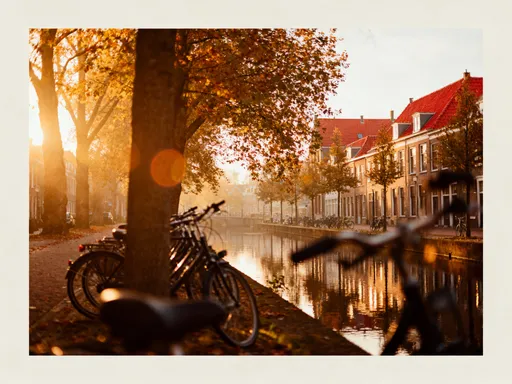
Autumn, from September to November, paints the city in warm golds, ambers, and deep reds. The air turns crisp, and the pace slows slightly as students return to campus. Fewer tourists mean quieter streets and more space to enjoy landmarks at your own rhythm. This season is particularly beautiful for photography, with fallen leaves floating on canals and early morning fog adding a dreamlike quality to the historic center. Indoor attractions like the Groninger Museum or local libraries become inviting refuges, often hosting seasonal exhibitions or storytelling events perfect for reflective afternoons.
Winter, from December to February, transforms Groningen into a haven of warmth and coziness. While temperatures drop and daylight shortens, the city responds with charm. The annual winter light festival illuminates parks and bridges with artistic installations, creating magical evening walks. Many cafés offer mulled wine, hot chocolate, and hearty soups, making them ideal stops during a chilly exploration. Christmas markets, though smaller than in larger cities, maintain a handmade, community-driven feel. For travelers seeking a peaceful, introspective journey, winter in Groningen offers a chance to experience Dutch hygge at its most genuine.
Top Viewpoints: Where to See Groningen Like a Photographer
To truly appreciate Groningen’s layout and beauty, a change in perspective is essential. While ground-level exploration reveals intimate details—flower boxes, bicycle bells, café chatter—an elevated view unlocks the city’s structure and harmony. The Martinitoren, or Martinikerk tower, remains the most iconic vantage point. Standing at 97 meters, it dominates the skyline and offers a 360-degree panorama of red rooftops, winding canals, and distant windmills. Climbing the 260 steps is a moderate effort, but the view at the top is unforgettable, especially on a clear morning when sunlight bathes the historic center.
For photography, timing is key. Early morning light minimizes harsh shadows and enhances the textures of brick and timber. Late afternoon, just before sunset, casts a golden glow across the city, ideal for capturing the warm tones of Dutch architecture. On weekends, guided tours of the tower often include historical commentary, enriching the experience beyond the visual. The tower’s bells, still manually operated, occasionally chime, adding an auditory layer to the moment.
Another lesser-known but striking viewpoint is the rooftop terrace near Noorderplantsoen park. While not permanently open to the public, it becomes accessible during special events like the Groningen Design Week or city cultural festivals. When available, it offers a unique northern perspective, looking back toward the city center with the park’s tree canopy below. This spot is perfect for wide-angle shots that include both nature and urban elements.
Even ground-level locations can offer elevated perspectives with the right framing. The Houtkopersbrug, a central bridge over the Hoendiep canal, provides a classic postcard view when facing west. Positioning yourself mid-bridge at dawn allows you to capture reflections of the Martinitoren in the still water. Similarly, the area around the Grote Markt, especially from the steps of the town hall, offers a wide view of the bustling square framed by historic buildings. For travelers without professional gear, even a smartphone can produce stunning images when paired with good light and thoughtful composition.
Off-the-Beaten-Path Neighborhoods Worth Your Time
While the city center holds undeniable charm, venturing into residential neighborhoods reveals a different side of Groningen—one defined by quiet streets, local routines, and understated beauty. Oranjewoud, located just west of the center, is a peaceful district known for its tree-lined avenues and 19th-century villas. Once a royal hunting ground, the area retains a sense of tranquility. Walking here feels like stepping into a storybook, with gardens spilling over wrought-iron fences and bicycles parked neatly outside pastel-colored homes. The Oranjewoud Park, part of the larger complex, offers shaded paths and seasonal blooms, ideal for a reflective morning walk.
Oosterpoort, to the east, is another neighborhood that rewards exploration. Less polished than the center, it feels authentically lived-in. Local bakeries sell freshly baked stroopwafels and rye bread, while independent bookshops display Dutch literature and children’s books in welcoming windows. On weekends, small farmers’ markets pop up, offering regional cheeses, honey, and preserves. The Oosterpark, one of the city’s green lungs, hosts community events like outdoor tai chi classes and seasonal craft fairs. Families gather here for picnics, and dogs roam freely in designated zones, creating a warm, inclusive atmosphere.
Another hidden gem is the Oude Westerplantsoen area, nestled between the canal and residential streets. This neighborhood blends green space with historic architecture, featuring early 20th-century homes with ornate facades. The park itself is a favorite among locals for quiet reading, jogging, or simply sitting on a bench with a book. Unlike more touristy parks, it remains uncrowded, allowing for genuine moments of peace. Cycling through this area on a rented bike lets you experience the rhythm of daily life—children biking to school, neighbors greeting each other, laundry swaying on lines.
These neighborhoods matter because they complete the picture of Groningen. They show how the city functions beyond postcard views—how people live, relax, and connect. For travelers, especially women seeking safe, meaningful interactions, these areas offer a sense of belonging. You’re not just observing; you’re sharing space with residents in their everyday environments. A smile from a passerby, a nod from a cyclist, or a brief chat at a bakery counter can turn a visit into a personal memory.
Practical Tips: Navigating the City Like a Pro
One of Groningen’s greatest strengths is its ease of navigation, but a few insider tips can elevate your experience from good to seamless. Biking is the dominant mode of transport, and renting a bicycle is one of the best decisions you can make. Numerous rental shops, such as Rent-a-Bike Groningen or MacBike, offer affordable daily rates and well-maintained bikes. Most provide maps, locks, and even child seats for families. Riding a bike allows you to cover more ground, access quieter neighborhoods, and travel at the pace of a local.
However, cycling in Groningen requires awareness. Bike lanes are strictly separated from pedestrian paths, and ignoring this can cause tension with locals. Always keep to the right, use hand signals when turning, and lock your bike securely when stopping. Many thefts occur when bikes are left unlocked, even for a few minutes. Parking areas are marked with blue signs, and it’s wise to use them rather than leaving your bike on the street.
For those who prefer walking, the city center is entirely walkable. Cobblestone streets can be uneven, so comfortable shoes are essential. Public transport, mainly buses operated by Qbuzz, is reliable and covers all major districts. Tickets can be purchased via the app or at stations, and contactless payment is standard. Most residents use an OV-chipkaart, but tourists can buy single or day passes without hassle.
Language is rarely a barrier. English is widely spoken, especially in service industries, but learning a few Dutch phrases enhances your experience. Saying “dank u” (thank you) or “excuseer” (excuse me) when passing someone shows respect and often prompts a friendly response. Cashless payments are the norm—credit cards and mobile payments are accepted almost everywhere, including small vendors at markets. Carrying large amounts of cash is unnecessary and not recommended.
One common mistake tourists make is underestimating the bike culture. Pedestrians must be cautious when crossing streets, as cyclists have the right of way in many areas. Always look both ways, even at crossings. Another tip: plan your route in advance, especially if visiting outer neighborhoods. While signage is clear, some streets have similar names, and GPS can occasionally lag. A paper map or offline app can be a useful backup.
Authentic Experiences: Cafés, Markets, and Cultural Touchpoints
The soul of Groningen lies not in grand monuments but in its everyday moments—conversations over coffee, browsing handmade goods, or listening to music in a centuries-old church. The Grote Markt, the city’s central square, hosts a weekly market every Tuesday and Saturday. Here, local farmers and artisans sell fresh vegetables, organic eggs, regional cheeses, and seasonal flowers. Unlike commercialized markets, this one feels personal. Vendors remember regulars, offer samples, and share stories about their products. For visitors, it’s a chance to taste authentic Dutch flavors and support small producers.
Hidden cafés are another gateway to local life. Tucked behind courtyards or down narrow alleys, these spots are often missed by guidebooks. One such place is a small café near the Aa Church, open only on weekends, where the owner bakes apple pie from a family recipe. Another is a book café in the Oude West neighborhood, where you can sip herbal tea while browsing secondhand novels. These spaces encourage slowing down—no rush, no loud music, just the quiet hum of contentment.
The Groninger Museum is a must-visit, not only for its striking modern architecture but for its thoughtful exhibitions. Rotating displays connect regional history with contemporary themes, such as sustainability, craftsmanship, or social change. Family-friendly workshops and audio guides make it accessible to all ages. Unlike larger museums, it never feels overwhelming—visitors can see the highlights in two hours or spend a full afternoon diving deep.
For cultural immersion, attending a small concert or lecture can be transformative. Churches and community centers often host free or low-cost events, from chamber music to storytelling nights. These gatherings reflect Groningen’s emphasis on community and shared experience. Sitting among locals, listening to music in a centuries-old hall, creates a sense of connection that transcends language. These are the moments that linger long after the trip ends.
Making the Most of Your Stay: Itinerary Ideas for 1–3 Days
Whether you have a single day or a long weekend, Groningen can be experienced meaningfully with thoughtful planning. A one-day itinerary should begin in the morning at the Grote Markt, where you can enjoy coffee at a sidewalk café and browse the Saturday market. By mid-morning, visit the Martinitoren for panoramic views, then stroll through the historic center, noting architectural details and hidden courtyards. Lunch at a local eatery offering Dutch specialties like erwtensoep (pea soup) or uitsmijter (open-faced sandwich) grounds the experience in flavor.
In the afternoon, rent a bike and cycle to Oosterpark or Oranjewoud, allowing time to rest on a bench and observe daily life. Return to the city center in the late afternoon to visit the Groninger Museum. End the day with dinner at a family-run restaurant and a quiet walk along the canals, perhaps catching the evening light on the water.
With two days, you can deepen your exploration. Dedicate the second day to neighborhoods like Oude Westerplantsoen or the northern districts, visiting local bakeries, bookshops, and parks. Attend a morning market or community event if timing aligns. Consider a day trip to Lauwersmeer National Park, about an hour away by bus or car, where walking trails and birdwatching offer a peaceful contrast to urban life.
Three days allow for full immersion. Add a guided tour of the Martinitoren, attend a cultural event, and spend an entire morning in a hidden café reading or journaling. Include a cooking class or tasting session to engage with Dutch cuisine hands-on. This extended stay fosters a rhythm—activity balanced with reflection, exploration with rest—mirroring how locals live.
Seeing Groningen Through New Eyes
Groningen isn’t a city of grand spectacles or crowded landmarks. Its beauty is subtle, found in the curve of a canal, the chime of bicycle bells, or the warmth of a smile from a stranger. By approaching it with curiosity and respect, you transform a simple visit into a meaningful encounter. The best moments aren’t always planned—they emerge from pausing on a bridge, sipping tea in a courtyard, or chatting with a vendor at the market.
This city reminds us that travel’s greatest rewards come not from checking off attractions but from truly seeing—slowing down, noticing details, and allowing a place to reveal itself. Groningen invites you to experience Dutch life as it’s lived: quietly, thoughtfully, and with a deep appreciation for balance. Whether you come for a day or a week, let it teach you the joy of presence. In a world that often feels rushed, Groningen offers a gentle alternative—one pedal stroke, one cobblestone, one quiet moment at a time.