Beyond the City: Where Surabaya’s Soul Meets Nature
You know what? Surabaya isn’t just about skyscrapers and street food. I never expected to find such raw, cultural beauty hidden in its green pockets. From sacred riverbanks to coastal traditions shaped by tides, the natural areas around Indonesia’s second city tell a deeper story. This is culture not in museums—but alive, breathing with the land. You gotta see how nature and heritage merge here. Away from the honking traffic and modern storefronts, communities still live in rhythm with rivers, forests, and the sea. These are places where ancestral knowledge is passed down through fishing nets, rice paddies, and forest trails. What makes Surabaya truly unique is not its growth as a metropolis, but how its people continue to honor the natural world as a source of identity, spirituality, and daily life. This is a city where modernity and tradition coexist, not in conflict, but in quiet balance.
The Pulse of the Brantas: Life Along the River
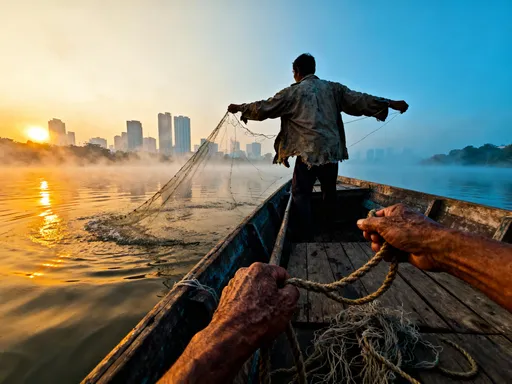
The Brantas River is more than a waterway—it is a lifeline that has nourished Surabaya for centuries. Flowing from the highlands of East Java through agricultural valleys and into the heart of the city, this river has long been central to the region’s development. For generations, families have lived along its banks, building homes on stilts, cultivating small gardens, and relying on its waters for fishing, irrigation, and spiritual practice. The river is not merely a physical presence but a cultural force, shaping the rhythm of daily life and community identity. Even as Surabaya expands, the Brantas remains a living thread connecting past and present.
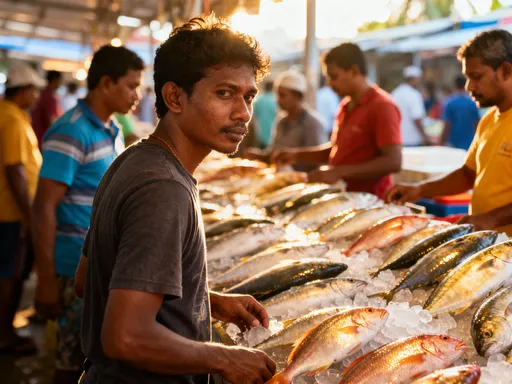
Riverside communities such as those in Kedurus and Pegirian maintain traditions that reflect their deep dependence on the river. Men still cast handwoven nets at dawn, using techniques passed down from their fathers. Women gather to wash clothes on stone platforms, their voices blending with the sound of flowing water. Children learn to swim before they learn to ride bicycles, growing up with the river as both playground and provider. These are not tourist performances—they are everyday acts of resilience and continuity. The fish caught here, often gourami and catfish, are sold at local markets or cooked in family meals seasoned with turmeric and lemongrass, linking the river directly to the city’s culinary soul.
Beyond subsistence, the Brantas holds spiritual significance. Many residents perform rituals along its banks, especially during religious holidays or times of personal need. Offerings wrapped in banana leaves—containing rice, flowers, and incense—are gently placed on the water during ceremonies known as *sedekah air*, or “alms to the water.” These acts express gratitude and seek protection, reflecting a worldview in which nature is not separate from the divine. The river is seen as a guardian, a provider, and sometimes even a messenger. When floods occur, some interpret them not as disasters alone, but as signs that balance has been disrupted—a reminder to live in harmony with natural forces.
Despite pollution and urban pressure, efforts to restore the Brantas are growing. Government programs and community groups have launched clean-up initiatives, installing trash barriers and promoting eco-friendly practices. Schools organize riverbank education days, teaching children about water conservation and the history of the river. These actions are not only environmental—they are cultural, aiming to preserve a way of life that is inseparable from the river’s health. The Brantas is not just surviving; it is being reclaimed as a symbol of Surabaya’s enduring relationship with nature.
Green Heart of the City: Mangrove Forests and Community Stewardship
Just minutes from Surabaya’s bustling center lies a quiet, green sanctuary—the mangrove forests of Wonorejo. Stretching across coastal wetlands, this ecosystem is a rare urban refuge where nature thrives amidst development. Mangroves, with their tangled roots and salt-tolerant leaves, serve as natural barriers against erosion and storm surges. But in Wonorejo, they are more than ecological protectors—they are cultural anchors. Local communities have long understood the value of these forests, not only for their environmental benefits but for the traditions they sustain.
The people of Wonorejo have taken stewardship seriously. For over a decade, community-led groups have organized mangrove planting drives, turning degraded shorelines into thriving habitats. Volunteers—often women and youth—wade through mud to plant saplings, using traditional knowledge to determine the best spots for growth. These efforts are supported by local schools and environmental NGOs, but the leadership remains rooted in the neighborhood. Families teach children the names of mangrove species, such as *api-api* and *bakau*, and explain how each plays a role in protecting the coast. This is not just conservation; it is cultural transmission, where environmental care is woven into identity.
Visitors to Wonorejo can join guided eco-tours that offer an intimate look at this living landscape. Wooden boardwalks wind through the forest, allowing guests to walk above the roots without disturbing the ecosystem. Guides, often residents with decades of experience, share stories of how the mangroves once provided medicine, firewood, and even fishing bait. They point out crabs scuttling through the mud, birds nesting in the canopy, and the subtle shifts in water level that signal the tides. These tours are not commercial spectacles—they are invitations to listen, learn, and participate. Some visitors even join planting sessions, leaving behind more than footprints.
The success of Wonorejo has inspired similar projects in nearby areas like Gunungsari and Benowo. What began as a local effort to prevent flooding has evolved into a model of urban ecological resilience. The mangroves are now recognized as vital green infrastructure, but also as spaces of cultural pride. Festivals are held to celebrate their restoration, featuring traditional music, food made from coastal ingredients, and children’s drawings of the forest. In a city where concrete often wins, Wonorejo stands as proof that nature and community can grow together.
From Volcanic Soil to Table: Agriculture as Cultural Expression
On the outskirts of Surabaya, the land changes. The skyline fades, and green fields roll into the distance, fed by the rich volcanic soil of Mount Welirang. Here, in villages like Sidoarjo and Tanggulangin, farming is not just an occupation—it is a way of life passed down through generations. The fertile terrain supports rice paddies, vegetable gardens, and fruit orchards, producing much of the fresh food that fills Surabaya’s markets. But beyond yield and harvest, agriculture in these areas is a form of cultural expression, where planting cycles, seasonal rituals, and culinary traditions are deeply intertwined.
Farmers in these regions follow sustainable practices that reflect centuries of adaptation. Crop rotation, organic composting, and rain-fed irrigation are common, not because of modern trends, but because they work. Elders teach younger family members how to read the sky for rain, how to plant rice during the right lunar phase, and how to store seeds for the next season. This knowledge is not written in books—it is shared in the fields, over meals, and during community gatherings. When a family hosts a harvest celebration, it is not only about abundance; it is about gratitude and continuity. These moments strengthen bonds and reaffirm a shared identity rooted in the land.
Seasonal festivals mark the agricultural calendar. One of the most meaningful is *Seren Taun*, a Javanese harvest thanksgiving that brings together farmers from surrounding villages. Held in open fields or village halls, the event features music, dance, and a communal meal made entirely from freshly harvested ingredients. Rice, cassava, sweet potato, and leafy greens are prepared in traditional ways—steamed, grilled, or wrapped in banana leaves. Elders lead prayers of thanks, often in old Javanese, asking for continued fertility and peace. Children perform folk dances that mimic planting and harvesting, ensuring that the next generation grows up connected to the rhythms of the earth.
The link between soil and cuisine is undeniable. Dishes like *lalapan* (fresh vegetable platters), *urap* (spiced coconut salad), and *sayur lodeh* (vegetable stew) originate in these farming communities. Ingredients are often picked the same day, preserving flavor and nutrition. Local markets in Surabaya’s suburbs overflow with vibrant produce—purple eggplants, red chilies, golden pineapples—all grown within a short drive. For city dwellers, these foods are not just meals; they are taste memories of childhood, of grandmothers’ kitchens, of village feasts. By supporting local farmers, Surabaya preserves not only food security but cultural heritage.
Sacred Groves and Urban Resilience: Nature in Spiritual Practice
Scattered across Surabaya’s expanding neighborhoods are small, quiet patches of forest known as *tegalan* or *watu*. These are not parks designed for recreation, but sacred groves preserved for spiritual and cultural reasons. Often centered around ancient trees, stone formations, or burial sites of revered ancestors, these spaces are maintained by Javanese families and community groups as places of meditation, prayer, and ritual. In a city where land is at a premium, their survival is a quiet act of resistance—a refusal to let urbanization erase the sacred.
The concept of *tegalan* comes from Javanese cosmology, which views nature as infused with spiritual energy. Certain trees, like banyan or *kemuning*, are believed to be inhabited by guardian spirits or ancestors. People visit these groves to meditate, seek guidance, or offer simple prayers. Offerings of flowers, rice, or incense are left at the base of trees, especially during important dates in the Javanese calendar. These practices are not loud or performative; they are personal, reflective, and deeply rooted in tradition. For many, these groves are the closest thing to a temple—a place to reconnect with the unseen and the eternal.
What makes these spaces remarkable is their role in biodiversity. Because they are protected from development, *tegalan* often harbor native plants, insects, and birds that have disappeared from other parts of the city. They act as micro-refuges, supporting ecological balance in an otherwise concrete landscape. Some schools and environmental groups have begun to study these areas, recognizing that cultural preservation and environmental protection go hand in hand. Efforts are underway to map and document these groves, not to exploit them, but to ensure their protection.
In neighborhoods like Dukuh Kupang and Gayungan, families have resisted selling their ancestral land, even when offered high prices for development. They see the grove not as unused space, but as a living legacy. Some have opened their groves to respectful visitors, offering guided walks that explain the spiritual and ecological significance of the site. These initiatives foster intergenerational dialogue and community pride. In a fast-changing city, the *tegalan* stand as quiet witnesses to a deeper, slower wisdom—one that values memory, balance, and reverence for the earth.
Coastal Rhythms: Fishing Villages and the Sea’s Legacy
The coastline of Surabaya, particularly in areas like Kenjeran and Ujung, tells a story written in salt, wind, and tide. Here, fishing is not just an industry—it is a way of life shaped by generations of dependence on the Java Sea. The rhythm of the day is set by the ocean: boats launch at dawn, return by mid-morning, and families spend the afternoon mending nets, sorting catch, and preparing food. The sea provides not only livelihood but language, belief, and community structure. To live by the coast in Surabaya is to live in constant conversation with nature’s moods.
Fishing techniques in these villages remain largely traditional. Wooden boats, some hand-carved by local artisans, are still used, powered by small engines or sails. Nets are woven by hand, and traps are made from bamboo and rope. Fishermen follow seasonal patterns, knowing which species appear during monsoon and which thrive in dry months. This knowledge is not taught in schools but learned at sea, passed from father to son. The bond between a fisherman and his boat is deep—many name their vessels, treating them as family members. Some boats carry small shrines with offerings, a sign of respect for the sea’s power and unpredictability.
Spiritual practices are woven into daily routines. Before setting out, many crews perform a brief prayer, asking for safety and a good catch. These rituals are not theatrical—they are quiet, sincere, and deeply felt. In Kenjeran, the annual *Labuhan Laut* ceremony sees fishermen gather on the shore to offer symbolic items to the sea, including woven mats, candles, and salt. The event honors the ocean as a giver of life and a force to be respected. It also strengthens community ties, bringing together families, elders, and youth in a shared act of gratitude.
Despite challenges like overfishing and coastal erosion, these communities remain resilient. Youth groups have formed to promote sustainable fishing, using social media to educate others about marine conservation. Some villages have established no-fishing zones to allow fish populations to recover. These efforts are not driven by policy alone but by cultural pride—a desire to protect a way of life that defines their identity. For the people of Surabaya’s coast, the sea is not a resource to be exploited, but a partner in survival and meaning.
Cultural Trails: Connecting Natural Sites Through Story and Movement
A quiet movement is growing in Surabaya—one that invites people to slow down, walk, and listen. Eco-cultural trails are emerging across the city, linking rivers, forests, farms, and sacred sites into walking and cycling routes that tell a story. These are not ordinary paths; they are narrative journeys, designed to help locals and visitors experience the landscape as a living archive of human-nature connection. Each stop offers a moment of reflection, a local encounter, or a taste of tradition, turning a simple stroll into a deeper understanding of place.
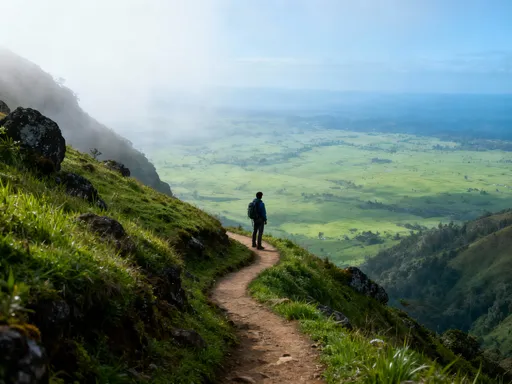
One such trail begins at the Brantas River, winds through the mangroves of Wonorejo, and ends in a farming village near Sidoarjo. Along the way, participants meet fishermen, farmers, and elders who share their stories. Information boards, written in both Indonesian and English, explain the ecological and cultural significance of each site. QR codes link to audio recordings of folk songs, oral histories, and environmental tips. The trail is maintained by a coalition of community groups, environmental educators, and city planners, all working to make nature accessible and meaningful.
Another popular route follows the coastline from Kenjeran to Tambak Wedi, highlighting fishing traditions and coastal conservation. Cyclists stop at boat-building workshops, sample fresh seafood at family-run warungs, and learn about mangrove restoration from local youth. These trails are designed to be inclusive—open to all ages, fitness levels, and backgrounds. Schools use them for field trips, families for weekend outings, and seniors for gentle exercise. What they all gain is a renewed sense of connection—to each other, to the land, and to Surabaya’s hidden soul.
The impact of these trails goes beyond tourism. They foster pride, spark dialogue, and inspire action. After walking the Brantas route, some residents have started neighborhood clean-ups. Others have joined farming cooperatives or volunteered with mangrove planting. The trails are not just paths on a map—they are invitations to belong, to care, and to participate in the story of the city. In a world that often feels disconnected, they offer a rare gift: the chance to walk with purpose and meaning.
Why This Balance Matters: Preserving Identity in a Growing Metropolis
Surabaya is growing—fast. Skyscrapers rise, roads widen, and populations increase. While development brings progress, it also brings pressure on the natural and cultural spaces that define the city’s soul. Wetlands are drained, rivers are channelized, and farmland is paved over. In this rush, there is a risk of losing not just green space, but identity. The traditions, knowledge, and relationships that have grown alongside nature are fragile. Once broken, they are hard to restore. That is why the balance between urban growth and cultural preservation is not just an environmental issue—it is a human one.
Thankfully, Surabaya is not standing still. Real initiatives are taking root. Youth-led clean-up campaigns mobilize hundreds of volunteers to remove trash from rivers and coasts. Schools have integrated environmental and cultural education into their curricula, teaching children about local ecosystems and ancestral wisdom. Community cooperatives are finding ways to make sustainable farming and fishing economically viable. These efforts are not large-scale revolutions, but quiet, persistent acts of care. They show that change is possible when people feel connected to place.
Local government has also begun to support these movements. Green space regulations now protect certain riverbanks and coastal areas from development. Funding has been allocated for eco-tourism infrastructure, such as boardwalks and visitor centers. Most importantly, there is growing recognition that culture and nature are inseparable. Policies are shifting to reflect this, emphasizing community-based conservation and cultural continuity. These steps may seem small, but they are foundational.
The future of Surabaya depends on this balance. A city without green lungs and cultural roots is not truly alive. The mangroves, rivers, farms, and sacred groves are not relics of the past—they are vital parts of a living present. They offer clean air, flood protection, food security, and spiritual grounding. They teach resilience, humility, and interdependence. To protect them is not to resist progress, but to define it more wisely. Surabaya’s soul is not in steel and glass, but in soil, water, and community.
A Culture Rooted in the Earth
Surabaya’s true character cannot be found in shopping malls or office towers. It lives in the quiet strength of its natural spaces—where culture is not performed, but lived. It is in the hands that plant mangroves, the voices that pray by the river, the feet that walk ancient trails. These are the places where identity is shaped, not by trends, but by time. They remind us that progress does not require erasing the past, but honoring it. As cities grow, the challenge is not to conquer nature, but to coexist with it.
The green pockets of Surabaya are more than scenic escapes—they are classrooms, sanctuaries, and sources of strength. They invite us to look deeper, to listen longer, to move slower. They ask us to remember that we are part of a larger web of life, not separate from it. For travelers, they offer not just views, but meaning. For residents, they are anchors in a changing world. And for future generations, they are gifts—if we choose to protect them.
So the next time you visit Surabaya, go beyond the city. Follow the river, walk the trails, sit by the sea. Let the land tell its story. You’ll find that the soul of this city beats strongest where nature and culture meet—quiet, steady, and full of life.