Taste the Soul of Senegal: A Flavor Journey Through Dakar
You know what? I never expected Dakar to hit me so hard through my stomach. This city doesn’t just feed you—it tells stories with every bite. From sizzling street grills to family-run eateries where time slows down, Dakar’s food is culture on a plate. The scents, the rhythms, the warmth—it’s all connected. Every dish carries generations of tradition, whispered through spice blends and slow-cooked stews. If you’re looking for real connection, you gotta check this out. In Dakar, a meal isn’t an event—it’s an invitation to belong, to listen, to remember. Here, flavor is memory, and every plate holds a piece of Senegal’s soul.
The Heartbeat of Dakar: Where Food Meets Culture
In Dakar, food is not just sustenance—it is rhythm, identity, and relationship all rolled into one. Meals are communal, often shared from a single large platter, reinforcing the idea that eating is never a solitary act. The Senegalese value *teranga*, a deeply rooted tradition of hospitality that means welcoming others as family, regardless of origin. This cultural pillar shapes the way food is prepared, served, and enjoyed across the city. Whether in a high-rise apartment in Almadies or a modest courtyard in Medina, the table is where stories are told, decisions are made, and bonds are strengthened.
Religious traditions also influence the culinary rhythm of daily life. During Ramadan, the fast is broken with *iftar* meals that begin with sweet dates and spiced broths like *lakh*, followed by hearty dishes such as *thiéboudienne* or *yassa*. These moments are not only about nourishment but about gratitude and togetherness. Even outside religious observance, the day unfolds around meals: a morning of sweet millet porridge or French-style bread with strong coffee, a midday feast, and a lighter evening meal. The kitchen is often the heart of the home, where generations gather and wisdom is passed down through recipes.
Dakar’s food culture also reflects its history as a crossroads of West Africa and the Atlantic world. Centuries of trade, colonial exchange, and migration have layered the cuisine with French, Portuguese, Arabic, and Malian influences. Yet, despite these external touches, Senegalese cooking remains distinctly its own—earthy, bold, and generous. The use of ingredients like red palm oil, fermented fish, and smoked peppers creates a flavor profile that is immediately recognizable and deeply comforting to locals. For visitors, embracing this cuisine is the fastest way to move from observer to participant in Dakar’s vibrant life.
Street Eats That Speak Volumes: Dakar’s Culinary Pulse
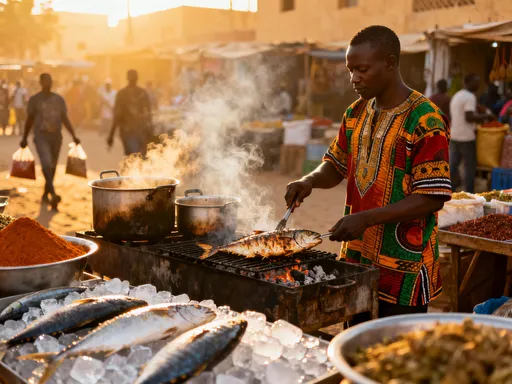
Walk any major avenue in Dakar—Avenue Cheikh Anta Diop, Rue Plateau, or Fann Poste—and you’ll be drawn in by the sizzle of grills, the bubbling of oil, and the rich aroma of onions caramelizing in large black pots. Street food isn’t just convenient here; it’s a way of life. It’s where most Dakarois eat lunch, where friends meet after work, and where the city’s true flavors are most honestly expressed. The street vendors, often women in bright headwraps and aprons, are culinary custodians, cooking the same recipes their mothers and grandmothers perfected.
One of the most common sights is the *thiéboudienne* cart, where massive pots simmer with fish, rice, and vegetables in a deep red tomato-based sauce. Nearby, you’ll find *maafé* stands—peanut stew served over rice, rich and creamy, often with chicken or beef. These dishes are served on paper plates or in plastic bowls, eaten with the right hand or a spoon, always piping hot. The experience is tactile, immediate, and full of energy. There’s no pretense, only authenticity. A full meal can cost less than $2, making it accessible to nearly everyone.
Dining on the street comes with its own unspoken etiquette. Locals look for signs of freshness—pots that are actively bubbling, ingredients that look recently prepared, and vendors who are busy. A popular spot is usually a clean spot. It’s common to stand while eating, balancing your plate on a ledge or low table, sharing space with strangers. A smile, a nod, a shared comment about the weather or the heat of the sauce—these small exchanges are part of the meal. For visitors, embracing this rhythm means shedding hesitation and opening up to the flow of daily Dakar life.
Another beloved street food is *boulettes*—spiced Senegalese meatballs often served in a baguette with lettuce, tomato, and a fiery *sauce pimentée*. Found near bus stops and schools, these quick bites are a favorite among students and workers. The flavor is bold, the texture satisfying, and the experience entirely local. For the adventurous eater, trying *ndambé*—steamed black-eyed pea fritters—offers a taste of traditional breakfast fare, often enjoyed with a cup of sweet, milky tea. Each bite tells a story of resilience, resourcefulness, and joy.
Thiéboudienne: Senegal’s National Dish and Cultural Icon
No exploration of Dakar’s food culture is complete without understanding *thiéboudienne*, widely regarded as Senegal’s national dish. Its name comes from Wolof: *thiéb* meaning “rice” and *boudienne* referring to fish. But this is no ordinary rice and fish dish—it’s a labor of love, built in layers over hours. The foundation is broken rice, cooked in a rich broth made from tomatoes, onions, garlic, and a touch of chili. Mixed in are vegetables like carrots, cassava, cabbage, and eggplant, all simmered until tender. The fish—often red snapper, grouper, or tuna—is either fried first or poached gently in the sauce, absorbing the deep, savory flavors.
What makes *thiéboudienne* truly special is its symbolic weight. It is the centerpiece of Sunday family meals, holiday gatherings, and neighborhood celebrations. In many homes, the eldest woman prepares it, passing down techniques and secrets to younger relatives. The dish varies by region and family—some add fermented fish for depth, others include bitter leaves for complexity. In Dakar, it’s common to see variations with shellfish or even lamb, but the core remains the same: a celebration of abundance, patience, and togetherness.
A typical scene unfolds in a courtyard in Ouakam, where a large aluminum pot bubbles over a charcoal stove. Children run between tables, women stir with long wooden spoons, and men set out plastic chairs. When the meal is ready, everyone gathers around a shared tray, dipping their hands into the warm rice, pulling apart pieces of fish, and savoring the stewed vegetables. There’s laughter, storytelling, and the occasional debate over who got the best piece. For visitors lucky enough to be invited, this moment is transformative—a reminder that food is not just fuel, but a language of care and connection.
Even in restaurants, *thiéboudienne* is treated with reverence. Some eateries, like *Le Chalet* or *La Cagna*, have built their reputations on perfecting this dish. They source fresh fish daily, use high-quality rice, and take time to build the sauce slowly. The result is a dish that is both humble and extraordinary—a taste of home for Senegalese people everywhere. For travelers, trying *thiéboudienne* is not just a culinary act; it’s a cultural immersion, a way to honor the rhythm of Senegalese life.
Markets as Kitchens: The Role of Sandaga and HLM Markets
To understand Dakar’s food, one must walk its markets. Sandaga and HLM are not just shopping destinations—they are living kitchens, sensory overloads of color, sound, and scent. At dawn, trucks arrive from rural farms and fishing villages, unloading crates of okra, eggplant, cassava, and fresh-caught fish. By mid-morning, the markets are alive with energy. Vendors shout prices, children weave through crowds, and the air hums with the buzz of commerce and community.
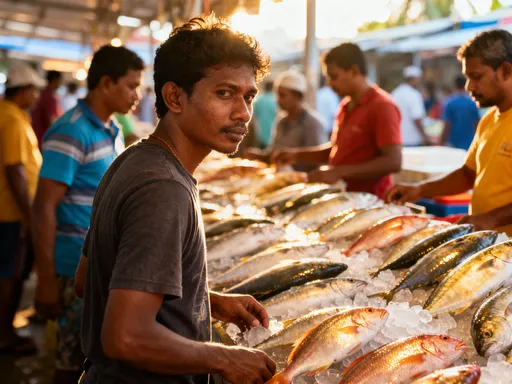
Sandaga Market, located in the heart of the city, is one of the largest and most vibrant. Rows of stalls display pyramids of onions, mounds of dried chilies, and bundles of fresh herbs like parsley and thyme. Fishmongers lay out whole tuna, snapper, and octopus on ice, their scales still glistening. Butchers sell goat and beef, often cut to order. In the produce section, women sort through baskets of tomatoes and carrots, bargaining with customers over a few extra francs. Every ingredient here has a story—where it was grown, how it was caught, who brought it to market.
HLM Market, in the northern district, offers a similar experience but with a more residential feel. It’s where many local chefs and home cooks shop, drawn by the freshness and variety. Stalls specialize in specific ingredients—some sell only dried fish, others offer fermented milk or traditional condiments like *soumbala*, a protein-rich paste made from fermented locust beans. These markets are the true farm-to-table engines of Dakar, long before the term became a global trend. There’s no packaging, no plastic wrap—just raw, honest food moving directly from producer to consumer.
For visitors, navigating these markets can be overwhelming but deeply rewarding. It’s a chance to see the roots of Senegalese cuisine, to smell the spices before they’re cooked, to touch the fish before it’s grilled. Many vendors are happy to explain what they’re selling, especially if you show interest. Learning a few basic Wolof phrases—like *dama* (thank you) or *koñ fekk?* (how much?)—goes a long way. More than shopping, these markets are cultural classrooms, where the language of food is spoken in every transaction, every smile, every shared moment.
From Ocean to Table: Seafood Culture Along the Corniche
Dakar’s identity is inseparable from the sea. Stretching along the Atlantic coast, the Corniche—especially Avenue Cheikh Anta Diop—offers some of the freshest and most authentic seafood experiences in the city. This scenic road is lined with open-air grills, family-run fish shacks, and casual dining spots where the menu changes daily based on the catch. The rhythm of life here follows the tides: early mornings bring fishermen returning with their haul, midday sees the grills firing up, and evenings fill with locals and visitors enjoying meals with ocean views.
At dawn, the fishing ports of Hann and Yoff come alive with activity. Boats unload their catch—tuna, mackerel, barracuda, octopus—onto wooden docks. Fish auctions begin almost immediately, with buyers from markets and restaurants bidding quickly. Women in colorful wraps clean and prepare the fish on low tables, their hands moving with practiced ease. The smell of salt, smoke, and brine fills the air. This is where the journey from ocean to table truly begins, a process rooted in tradition and sustainability.
By lunchtime, the grills along the Corniche are in full swing. Skewers of marinated tuna sizzle over open flames, releasing a smoky, savory aroma. Whole fish are stuffed with herbs and grilled until the skin is crisp. One popular dish is *soupe de poisson*, a rich fish stew made with tomatoes, onions, garlic, and a splash of white wine—served with chunks of baguette for dipping. Another favorite is *calamars farcis*, stuffed squid simmered in a spicy tomato sauce. These meals are simple, fresh, and deeply satisfying.
What makes this seafood culture special is its connection to community. Many of the restaurants are run by the same families for decades, passing down recipes and techniques. Customers return not just for the food, but for the familiarity—the owner who remembers your name, the seat with the best view, the way the waves crash just beyond the tables. For visitors, dining here is more than a meal; it’s a front-row seat to Dakar’s coastal soul. It’s a reminder that the best food often comes from the simplest sources, prepared with care and shared with pride.
Modern Twists: How Dakar’s New Wave Balances Tradition and Innovation
While Dakar honors its culinary roots, a new generation of chefs and restaurateurs is reimagining Senegalese cuisine for a modern era. In neighborhoods like Almadies, Ngor, and Plateau, contemporary cafes and fusion restaurants are blending tradition with innovation. These spaces offer a fresh take on classics—think *thiéboudienne* with quinoa instead of rice, or *maafé* made with tofu for vegetarian diners. The goal is not to replace tradition, but to expand its reach and relevance.
One example is *Les Saveurs de Bonamouti*, a restaurant that combines French presentation with Senegalese flavors. Dishes are plated with artistic care, yet the taste remains deeply rooted in local tradition. Another is *Café Touba*, which offers plant-based versions of classic dishes, catering to health-conscious and environmentally aware diners. These spots attract younger locals, expatriates, and curious travelers, creating a space where different cultures and dietary preferences can coexist.
This evolution also reflects broader changes in urban life. With more women working outside the home and global influences shaping tastes, there’s a growing demand for convenience without compromise. Fast-casual spots now offer pre-packaged *thiéboudienne* bowls or ready-to-eat *yassa* kits, making traditional meals accessible to busy city dwellers. Social media has also played a role, with food bloggers and influencers showcasing both street eats and upscale dining, helping to elevate Senegalese cuisine on the global stage.
Yet, even in these modern spaces, respect for tradition remains strong. Chefs often speak of their grandmothers’ kitchens as their greatest inspiration. They source ingredients from local markets, use traditional spices, and honor the slow cooking methods that define Senegalese food. The innovation is not in rejecting the past, but in honoring it in new ways. For visitors, this means a wider range of dining options—whether you crave a classic street meal or a refined interpretation of it.
Eating Like a Local: Practical Tips for Authentic Dining Experiences
For travelers seeking authentic culinary experiences in Dakar, a few practical tips can make all the difference. First, timing matters. Lunch, typically between 12:30 and 2:30 p.m., is the main meal of the day. This is when street vendors have their freshest food and restaurants serve their full menus. Dinner tends to be lighter, often leftovers or simple grilled fish with bread. Visiting markets in the morning ensures the best selection and energy.
When choosing where to eat, follow the locals. A crowded street cart or a restaurant filled with families is usually a good sign. Look for cleanliness—pots that are covered, food that is freshly cooked, and vendors who wash their hands. Avoid places where food has been sitting out for hours. Tipping is not expected at street stalls but is appreciated in sit-down restaurants—10% is customary if service is good.
Learning a few basic phrases in Wolof can enhance the experience. Saying *na nga def?* (what are you eating?) or *mangi mbecc* (delicious) shows respect and opens doors. Don’t be afraid to point or gesture if language is a barrier—most vendors are patient and welcoming. And remember, meals in Dakar are not rushed. Take your time, observe, engage. Ask questions. Share a smile. These small acts build connection.
Finally, be open to new flavors and textures. If you’re not used to eating with your hands, practice—it’s part of the tradition. Try dishes that sound unfamiliar. Drink *bissap* (hibiscus tea) or *dakhar* (fermented millet drink) to balance the richness of the food. And above all, avoid tourist traps—those restaurants with English-only menus and inflated prices. The real magic of Dakar’s cuisine is found in its everyday spaces, where food is made with pride and shared with joy.
A Table That Teaches
Dakar’s dining scene is more than a collection of dishes—it is a living classroom, teaching lessons about patience, generosity, and connection. Every meal, whether eaten on a plastic stool by the roadside or around a family table, offers a window into Senegalese values. The food is bold, yes, but it’s the spirit behind it that lingers. In a world that often feels fast and fragmented, Dakar reminds us that eating can be an act of belonging.
To taste Dakar is to understand it. The slow simmer of a stew, the shared platter, the laughter over a spicy sauce—these are not just moments of pleasure, but invitations to participate in a culture that values presence over speed, community over convenience. Travelers who come here for the beaches or the music often leave transformed by the food, not because it was the best they’ve ever eaten, but because it made them feel seen, welcomed, and part of something greater.
So slow down. Sit longer. Ask the vendor her name. Try the dish you can’t pronounce. Let flavor be your guide. In Dakar, the table is not just where you eat—it’s where you learn, where you connect, where you come home. And that, perhaps, is the most nourishing meal of all.