You Won’t Believe Rio’s Secret Carnival Culture—It’s Everywhere After Dark
Most travelers know Rio for samba parades and Copacabana, but the real magic happens off the main stage. I discovered that the city’s true carnival spirit lives in hidden neighborhood blocos, backyard rehearsals, and midnight street dances. This isn’t just a festival—it’s a year-round rhythm woven into daily life. Forget the tourist guides; what you need is a local’s pulse. Let me take you beyond the spectacle to where the culture breathes, beats, and never sleeps.
The Real Heartbeat of Rio: Carnival Beyond the Sambadrome
Rio de Janeiro’s Carnival is globally celebrated for its dazzling samba parades at the Sambadrome, where feathered dancers and thunderous percussion captivate millions. Yet, for those who seek more than visual splendor, the authentic soul of Carnival pulses far beyond this grand stage. The true heartbeat of Rio’s celebration lies in its neighborhoods, where music spills from open windows, drums echo through alleyways, and dance becomes a language of community and identity. This grassroots expression is not confined to February—it thrives all year, shaping how Cariocas, the city’s residents, live, connect, and celebrate.
The distinction between official parades and neighborhood festivities is crucial for meaningful travel. While the Sambadrome showcases polished performances designed for mass appeal, local blocos—community-based street parties—offer raw, unfiltered cultural expression. These gatherings are not performances for tourists; they are acts of belonging, rooted in history, resilience, and shared joy. To experience them is not to observe, but to participate in a living tradition. Travelers who recognize this difference shift from passive onlookers to respectful guests within a vibrant cultural ecosystem.
Understanding this duality transforms the way one engages with Rio. It invites deeper curiosity, humility, and connection. Rather than chasing photo opportunities, visitors begin to listen—to the rhythm of conversation in a backyard rehearsal, to the laughter rising from a hillside dance circle, to the quiet pride in a local’s voice when describing their bloco’s legacy. This awareness fosters genuine appreciation and opens doors to experiences that no ticketed show can replicate. The real Carnival is not something you watch. It is something you feel, join, and carry with you long after the final beat fades.
Hidden Blocos: Where Locals Keep the Beat Alive
In the winding streets of Santa Teresa, the bohemian hills hum with the sound of tamborims and cuícas during weekly gatherings of small, community-led blocos. These informal groups gather not for fame or profit, but to preserve the traditions passed down through generations. In Mangueira, one of Rio’s most historic samba neighborhoods, residents paint their homes in the colors of their samba school and dance in the streets every weekend, keeping the spirit of Carnival alive throughout the year. In Madureira, the birthplace of many legendary samba artists, local blocos draw hundreds of participants who dance with an effortless grace that speaks of lifelong immersion in rhythm.
These hidden blocos are more than musical events—they are acts of cultural preservation. They serve as social anchors, strengthening neighborhood bonds and offering youth a positive outlet for creativity and identity. Many of these groups trace their roots back decades, some even predating the formal Carnival celebrations. Their music often carries stories of struggle, resilience, and joy, reflecting the lived experiences of the communities they represent. Unlike commercialized events, they are funded by small donations, homemade costumes, and volunteer labor, making them deeply authentic expressions of collective spirit.
For visitors, the opportunity to join these gatherings is a rare gift, but it must be approached with care. The key is respect. Arriving late, dressed inappropriately, or treating the event as a novelty can disrupt the intimacy of these moments. Instead, travelers should arrive early, observe quietly, and follow local cues. Many blocos welcome outsiders, especially those who show genuine interest and humility. A simple smile, a nod to the rhythm, or a quiet word in Portuguese can go a long way in building connection. When in doubt, joining a community-led cultural walk ensures access while honoring the integrity of the experience.
The Year-Round Rhythm: Samba Schools as Cultural Hubs
To understand Rio’s Carnival culture, one must recognize that samba schools are far more than performance groups. They are vital community institutions—centers of education, social support, and cultural continuity. Schools like Portela, Salgueiro, and Mangueira operate year-round, offering dance classes, music instruction, and youth programs that nurture talent and instill pride. These spaces are not exclusive; they welcome participation from residents of all ages and backgrounds, creating intergenerational bonds that sustain the city’s musical heritage.
Daily rehearsals are open to the public, drawing families, elders, and children who gather in the quadras—practice halls—on weekend nights. The energy is electric yet welcoming, as seasoned sambistas guide newcomers through basic steps. For visitors, attending a rehearsal is a chance to witness the dedication behind the spectacle. It is here that costumes are sewn by hand, lyrics are composed, and rhythms are perfected over months of preparation. The process is as important as the performance, reflecting a deep commitment to artistry and community.
For those wishing to visit a samba school, cultural sensitivity is essential. These are not tourist attractions but living spaces of cultural production. Photography should be done discreetly and only with permission. Engaging with members through simple conversation, asking respectful questions, or even offering to help with small tasks can foster meaningful interaction. Some schools offer guided tours or introductory workshops specifically for visitors, providing structured access while supporting local initiatives. By participating in this way, travelers contribute to the sustainability of these vital institutions while gaining insight that no guided bus tour could offer.
Street Rehearsals and Midnight Surprises: When Rio Becomes a Stage
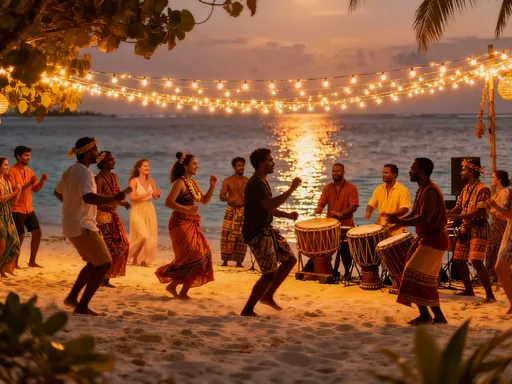
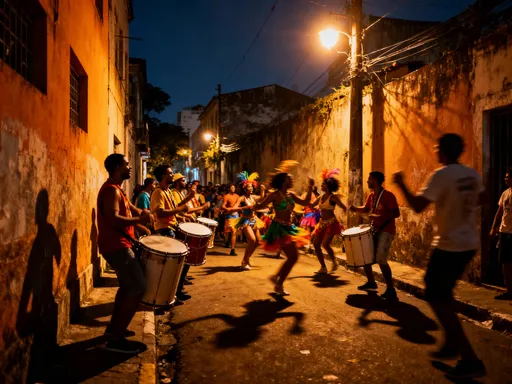
One of the most enchanting aspects of Rio’s cultural life is its spontaneity. At any moment, a park bench can become a drum circle, a sidewalk can transform into a dance floor, and a hillside favela can erupt in song. These unplanned musical gatherings—often called ensaios de rua, or street rehearsals—are the city’s hidden jewels. They are not advertised, rarely scheduled, and impossible to predict. Yet, for those attuned to Rio’s rhythm, they are unmistakable: the sudden swell of percussion, the flash of movement in a dimly lit square, the collective energy of neighbors united in music.
These events carry an emotional weight that transcends entertainment. They are moments of release, joy, and solidarity. In communities where resources may be limited, music becomes a powerful equalizer, a source of pride, and a form of resistance. To witness such a gathering is to feel the pulse of a city that expresses itself through sound and movement. The experience is intimate, often fleeting, and deeply moving—less a performance and more a shared ritual among neighbors who know each other by name.
For visitors, experiencing these moments safely and respectfully requires guidance. While some tourists attempt to seek them out independently, doing so without local knowledge can lead to misunderstandings or unintended intrusion. The best approach is to join a community-based cultural walk led by residents who understand the nuances of each neighborhood. These guides not only ensure safety but also provide context, translating lyrics, explaining traditions, and introducing participants to local musicians. Through such experiences, travelers gain access to the soul of Rio—not as spectators, but as welcomed guests in a living cultural dialogue.
The Soundtrack of the City: From Batucada to Funk Carioca
Rio’s musical landscape is as diverse as its neighborhoods, with each district contributing its own sonic identity. While samba is the most recognized genre, it is only one thread in a rich tapestry of sound. Pagode, a more relaxed, acoustic variation of samba, thrives in backyard gatherings where friends sing and play instruments under string lights. Batucada, the powerful drumming style of samba schools, drives the energy of parades and street parties with its relentless, hypnotic rhythm. Meanwhile, funk carioca, born in the city’s favelas, blends electronic beats with social commentary, creating a high-energy soundtrack for youth culture.
Each genre is tied to specific spaces and social contexts. In Lapa, the historic nightlife district, live samba bands play in open-air venues every weekend, drawing crowds who dance until dawn. In Vila Isabel, a neighborhood known for its poetic samba lyrics, cultural nights celebrate the literary side of the music, with spoken word and storytelling woven into performances. In Complexo do Alemão, community centers host funk battles and DJ workshops, giving young artists a platform to express themselves and build careers.
For travelers, exploring Rio’s music scene means stepping into authentic venues that welcome visitors with warmth. Places like Carioca da Gema, Rio Scenarium, and Pedra do Sal offer live music in intimate settings, where the focus is on connection rather than commercial appeal. These spaces often feature rotating lineups of local talent, providing a genuine taste of the city’s artistic depth. By attending these events, supporting artists through small purchases or donations, and engaging with the music on its own terms, visitors contribute to the sustainability of Rio’s cultural ecosystem while enriching their own experience.
Navigating Culture with Respect: Etiquette for Meaningful Participation
Engaging with Rio’s Carnival culture requires more than curiosity—it demands respect. These traditions are not performances for consumption but expressions of identity, history, and community. Treating them as mere entertainment risks reducing sacred practices to photo opportunities or party experiences. To avoid this, travelers should adopt a mindset of humility and learning. Observing before participating, asking permission before photographing, and dressing in a way that honors the occasion are simple yet powerful acts of respect.
One of the most important principles is to listen. This means not only to the music but to the people. Learning a few basic Portuguese phrases—such as “Posso entrar?” (May I join?) or “Obrigada pelo convite” (Thank you for the invitation)—shows effort and appreciation. It opens doors to conversation and connection, transforming a transactional encounter into a human one. Equally important is supporting local artists directly, whether by purchasing handmade costumes, contributing to donation jars at rehearsals, or attending community fundraisers.
Visitors should also be mindful of boundaries. Some events are private, intended for residents only. In such cases, the most respectful action is to admire from a distance or seek alternative ways to engage. Pushing for access can damage trust and harm the very culture one wishes to experience. Instead, building relationships through guided programs, cultural cooperatives, or local hosts ensures ethical participation. When done with care, these interactions become mutually enriching, allowing travelers to carry home not just memories, but a deeper understanding of what it means to belong.
Planning Your Immersive Experience: Timing, Access, and Local Insight
To fully experience Rio’s Carnival culture, timing is everything. While the official Carnival in February offers unparalleled energy, the months leading up to it—known as Pré-Carnaval—are equally vibrant. This period sees a surge in blocos, rehearsals, and community events, creating a citywide atmosphere of anticipation. For travelers seeking authenticity, visiting during this time offers rich opportunities to engage with preparations and witness the buildup of excitement. Even outside Carnival season, Rio’s cultural life remains active, with weekly rehearsals, music festivals, and neighborhood celebrations providing year-round access.
Access is best achieved through community tourism initiatives rather than mainstream tour operators. Organizations like AfroReggae, CUFA, and local cooperatives in Santa Teresa or Mangueira offer guided experiences led by residents who share insider knowledge and ensure respectful engagement. These programs often include visits to samba schools, participation in blocos, and introductions to local artists, providing a depth of insight that commercial tours rarely match. By choosing such options, travelers support sustainable tourism and contribute directly to community development.
A sample itinerary might begin with a visit to Portela’s quadra for a rehearsal, followed by a guided walk through Madureira Park during a weekend bloco. An evening could include dinner at a family-run restaurant in Tijuca, followed by live samba at Rio Scenarium. The next day might feature a cultural walk in Santa Teresa, culminating in a backyard pagode session. Throughout, the focus remains on connection—on listening, learning, and participating with humility. Such a journey does not follow a checklist but unfolds organically, shaped by rhythm, openness, and respect.
Carnival in Rio isn’t an event—it’s a living culture. By stepping off the main stage and into its quiet, pulsing heart, travelers gain more than memories; they gain connection. This is the secret no guidebook tells: the real Rio plays its rhythm every night, in backstreets and backyards, waiting for those who listen.