How I Tamed My Blood Pressure Naturally—And What Real Health Feels Like
For years, I ignored my blood pressure—until a routine check flipped my world upside down. It wasn’t a crisis, but the numbers whispered a warning: this is your body asking for help. I started digging, not for quick fixes, but for real, lasting change. What I found wasn’t magic—just science, consistency, and a few daily shifts anyone can make. This is my journey to understanding what true blood pressure control really means—and how it reshaped my idea of health.
The Wake-Up Call: When Normal Feels Off
It happened on an ordinary Tuesday morning during a yearly physical. I felt fine—more than fine, actually. I had energy, no headaches, no dizziness, nothing out of the ordinary. Yet when the nurse said, “Your blood pressure is a little high,” something inside me shifted. 138 over 86. Not alarming by emergency standards, but clearly outside the healthy range. My doctor didn’t panic, but her tone changed. “This is something we should pay attention to,” she said gently. That moment planted a seed of awareness I couldn’t ignore.
What struck me most was the silence of it all. There were no warning signs, no dramatic symptoms—just a quiet elevation that could, over time, lead to serious consequences. I realized I’d been equating health with the absence of pain or illness. But true health is more than that. It’s about optimal function, balance, and prevention. High blood pressure, often called the “silent killer,” doesn’t announce itself with fanfare. It creeps in through habits, stress, and time. For me, that routine visit became a turning point—a chance to act before damage was done.
Emotionally, the news brought confusion and a quiet fear. Was I now “unhealthy”? Did this mean medication for life? I didn’t want to jump to prescriptions without understanding what I could do on my own. I began reading, not from fear, but from a desire to partner with my body. I learned that borderline hypertension—what doctors sometimes call prehypertension—is not a life sentence. It’s a signal. And signals, when heard early, can guide us toward better choices before irreversible harm occurs.
What Blood Pressure Actually Tells Us (And Why It Matters)
Blood pressure is a simple concept with profound implications. It measures the force of blood pushing against the walls of your arteries as your heart pumps. The top number, systolic pressure, reflects the pressure when your heart beats. The bottom number, diastolic, shows the pressure when your heart rests between beats. A reading under 120 over 80 mm Hg is considered ideal for adults. When either number climbs consistently above that, the body begins to pay a price.
Think of your arteries like garden hoses. When water flows at a steady, moderate pressure, the hose remains flexible and intact. But if the pressure is too high for too long, the hose weakens, stiffens, or even develops tiny tears. In the body, high pressure damages the delicate lining of blood vessels, making them more prone to plaque buildup, inflammation, and loss of elasticity. Over time, this increases the risk of heart disease, stroke, kidney problems, and vision issues—even if you feel perfectly fine.
What many don’t realize is that risk rises gradually. It’s not just about crossing a single threshold. Research shows that for every 20-point increase in systolic pressure or 10-point rise in diastolic pressure, starting as low as 115 over 75, the risk of cardiovascular events doubles. That means even being slightly above optimal can have long-term consequences. The body is resilient, but it’s not indestructible. Blood pressure is one of the most powerful indicators of how well your cardiovascular system is functioning—and how well you’re supporting it.
Understanding this helped me see my numbers not as a verdict, but as feedback. My blood pressure wasn’t just a random measurement; it was a reflection of my daily choices. And if choices had contributed to the rise, then different choices could help bring it back down. This wasn’t about chasing perfection, but about moving toward balance—one small decision at a time.
The Hidden Culprits: Lifestyle Factors We Overlook
We often look for dramatic causes when health shifts occur, but the truth is, small, consistent habits shape our physiology more than we realize. In my case, three main factors were working behind the scenes: sodium intake, poor sleep, and chronic stress. None of them felt urgent on their own, but together, they created a perfect storm for elevated blood pressure.
Sodium was the first culprit I uncovered. I didn’t eat fast food daily or load my meals with salt, but I did rely on packaged soups, canned vegetables, and frozen meals—especially on busy days. What I didn’t realize was how much hidden sodium lurks in these convenience foods. A single serving of canned soup can contain more than half the recommended daily limit. Over time, excess sodium pulls water into the bloodstream, increasing blood volume and pressure on artery walls. Cutting back didn’t mean banning salt entirely, but becoming more aware of where it was hiding.
Sleep was another silent factor. I thought I was getting enough—around six and a half hours a night—but the quality was poor. I’d wake up stressed, check emails first thing, and carry that tension into the day. Studies show that disrupted or insufficient sleep activates the body’s stress response, increasing heart rate and constricting blood vessels. Over time, this keeps blood pressure elevated even during waking hours. When I started prioritizing seven to eight hours of restful sleep, using a consistent bedtime and reducing screen time before bed, I noticed a difference within weeks.
Stress, perhaps the most insidious factor, was woven into my daily rhythm. Work deadlines, family responsibilities, and constant connectivity kept my nervous system in a low-grade state of alert. This triggers the release of stress hormones like cortisol and adrenaline, which constrict blood vessels and raise heart rate. While this response is helpful in true emergencies, when it’s activated daily, it becomes harmful. I realized I wasn’t just managing stress—I was living inside it. Addressing these hidden contributors didn’t require drastic changes, but it did require attention, honesty, and a willingness to adjust my routine.
Food as Foundation: Eating for Steady Numbers
Diet is one of the most powerful tools for managing blood pressure, yet it’s often misunderstood. It’s not about extreme restrictions or trendy diets, but about building a foundation of nourishing, whole foods that support vascular health. When I began reshaping my eating habits, I focused not on what to cut out, but on what to add in.
Fruits and vegetables became the centerpiece of my meals. These are rich in potassium, a mineral that helps balance sodium levels in the body and eases tension in blood vessel walls. Bananas, sweet potatoes, spinach, avocados, and oranges became regulars in my kitchen. I didn’t force myself to eat things I disliked, but I made a point to include at least one colorful vegetable at every meal. Over time, my cravings shifted. The saltiness of processed snacks began to taste overwhelming, while the natural sweetness of a ripe peach or the earthiness of roasted beets became more satisfying.
I also reduced my intake of processed and packaged foods. This meant cooking more at home, reading labels carefully, and choosing whole grains over refined ones. Instead of white bread, I switched to whole grain or sprouted varieties. Instead of sugary cereals, I chose oatmeal topped with fresh fruit. I learned to flavor food with herbs, spices, lemon, and vinegar instead of salt. These small swaps added up. I didn’t follow a strict plan, but I adopted a pattern: mostly plants, minimal processing, and mindful preparation.
Hydration played a role too. I used to drink soda occasionally and rely on coffee to get through the afternoon. I began replacing sugary drinks with water, herbal teas, and infused water with cucumber or berries. Staying well-hydrated supports circulation and helps the kidneys flush excess sodium. I didn’t eliminate coffee entirely, but I limited it and made sure to drink water alongside it. Eating slowly and without distractions also helped me tune into my body’s signals, preventing overeating and supporting digestion. Food, I realized, wasn’t just fuel—it was information for my body, shaping how I felt every day.
Movement That Works: Exercise Without the Gym Hype
When I first thought about exercise, images of crowded gyms, complicated routines, and sore muscles came to mind. I assumed I’d need to commit hours each week to see results. What I discovered instead was that consistent, moderate movement—something I could sustain—was far more effective than intense, short-lived efforts.
I started with walking. Not power walking, not training for a race—just brisk, daily walks around my neighborhood. I began with 15 minutes and gradually built up to 30 to 45 minutes most days. Walking lowered my blood pressure by improving circulation, helping my heart pump more efficiently, and reducing stress. The rhythm of movement became meditative. I noticed birds, trees, the changing seasons—little things I’d missed while rushing from car to home to office.
Beyond walking, I incorporated light resistance activities. Simple bodyweight exercises like squats, wall push-ups, and step-ups became part of my routine. I used resistance bands at home—affordable, quiet, and effective. These activities strengthened my muscles and, importantly, improved the flexibility of my blood vessels. Stronger muscles help pump blood more effectively, reducing strain on the heart.
I also focused on daily movement, not just formal exercise. I took the stairs, parked farther away, stood while talking on the phone, and did light stretching in the evening. These small actions kept my body active throughout the day, preventing the stagnation that contributes to poor circulation. My routine wasn’t rigid—it adapted to my energy levels and schedule. The key was consistency, not intensity. Over time, I saw my average blood pressure drop, and I felt more energized, more present, more capable.
Mind and Pressure: The Stress Connection We Can’t Ignore
The mind-body connection is real, and nowhere is it more evident than in blood pressure regulation. Chronic stress keeps the body in a state of heightened alert, activating the sympathetic nervous system and releasing stress hormones that constrict blood vessels and increase heart rate. This is helpful in short bursts—like when avoiding danger—but damaging when sustained over weeks or months.
I realized I needed tools to counter this daily stress load. I started with breathing exercises. Just five minutes a day of slow, deep breathing—inhaling through the nose for four counts, holding for four, exhaling for six—helped reset my nervous system. I did this in the morning, during work breaks, or before bed. It didn’t eliminate stress, but it gave me a way to respond differently.
Mindfulness became another anchor. I didn’t need to meditate for hours. Even two to three minutes of pausing—focusing on my breath, noticing sounds, feeling my feet on the floor—created space between stimulus and reaction. I used apps with gentle guidance at first, then learned to do it on my own. These brief moments of awareness reduced mental clutter and lowered my physiological stress response.
I also built in routine pauses. Instead of eating lunch at my desk, I stepped away. Instead of checking my phone first thing, I took a few quiet moments to set my intention for the day. These small acts of self-care weren’t indulgent—they were essential. Over time, I noticed less tension in my shoulders, fewer headaches, and a calmer baseline. My home blood pressure readings reflected this: lower numbers, less variability. Managing stress wasn’t about eliminating life’s demands, but about building resilience within them.
Tracking Progress: Seeing Change Beyond the Numbers
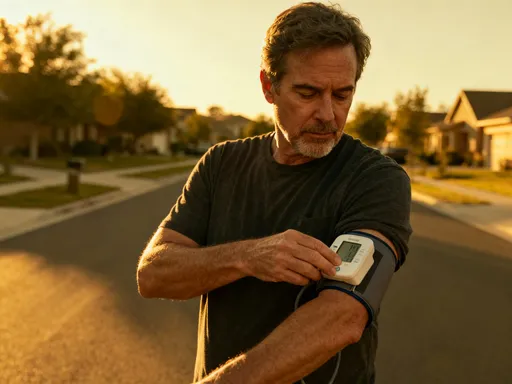
One of the most empowering steps I took was buying a home blood pressure monitor. It allowed me to track trends, not just isolated readings. I measured at the same time each day, after resting quietly for five minutes, with my feet flat and back supported. I recorded the numbers in a simple notebook—no apps, no complexity.
At first, the readings fluctuated. I learned that blood pressure naturally varies throughout the day—higher in the morning, lower at night. What mattered was the pattern over time. After about six weeks of consistent changes, I saw a clear downward trend. My average dropped from 138/86 to 124/78. That shift didn’t happen overnight, but it was real.
More telling than the numbers were the physical changes. I had more energy. I slept more deeply. I felt calmer, more centered. I wasn’t just managing a health marker—I was experiencing a different quality of life. Celebrating small wins kept me motivated. A lower reading, a walk in the rain, a meal I enjoyed without guilt—each was a sign of progress.
Tracking also taught me patience. There were days when the number was higher, and I had to remind myself that one reading didn’t erase weeks of effort. Health isn’t linear. It’s a journey with ups and downs. The monitor didn’t become a source of anxiety—it became a tool for awareness, helping me stay connected to my body’s needs.
Managing blood pressure isn’t about fear or perfection. It’s about showing up for yourself, day after day, with kindness and consistency. It’s about recognizing that health isn’t a single test result, but a collection of choices, habits, and attitudes. My journey taught me that real health feels like balance—like having the energy to play with my grandchildren, the calm to handle a busy day, and the confidence that I’m supporting my body the best way I know how.
This isn’t a story of a miracle cure or a dramatic transformation. It’s a story of small, sustainable changes that added up to meaningful results. I didn’t do it alone—I worked with my doctor, stayed informed, and remained open to learning. If you’re facing similar concerns, know that you have power. You don’t need to overhaul your life overnight. Start with one change. Then another. Honor your body’s signals. And remember, true health isn’t about chasing numbers—it’s about living well, every single day. Always consult with a healthcare provider to create a plan tailored to your individual needs.